Modern Renaissance
A SEEN Signature Gathering
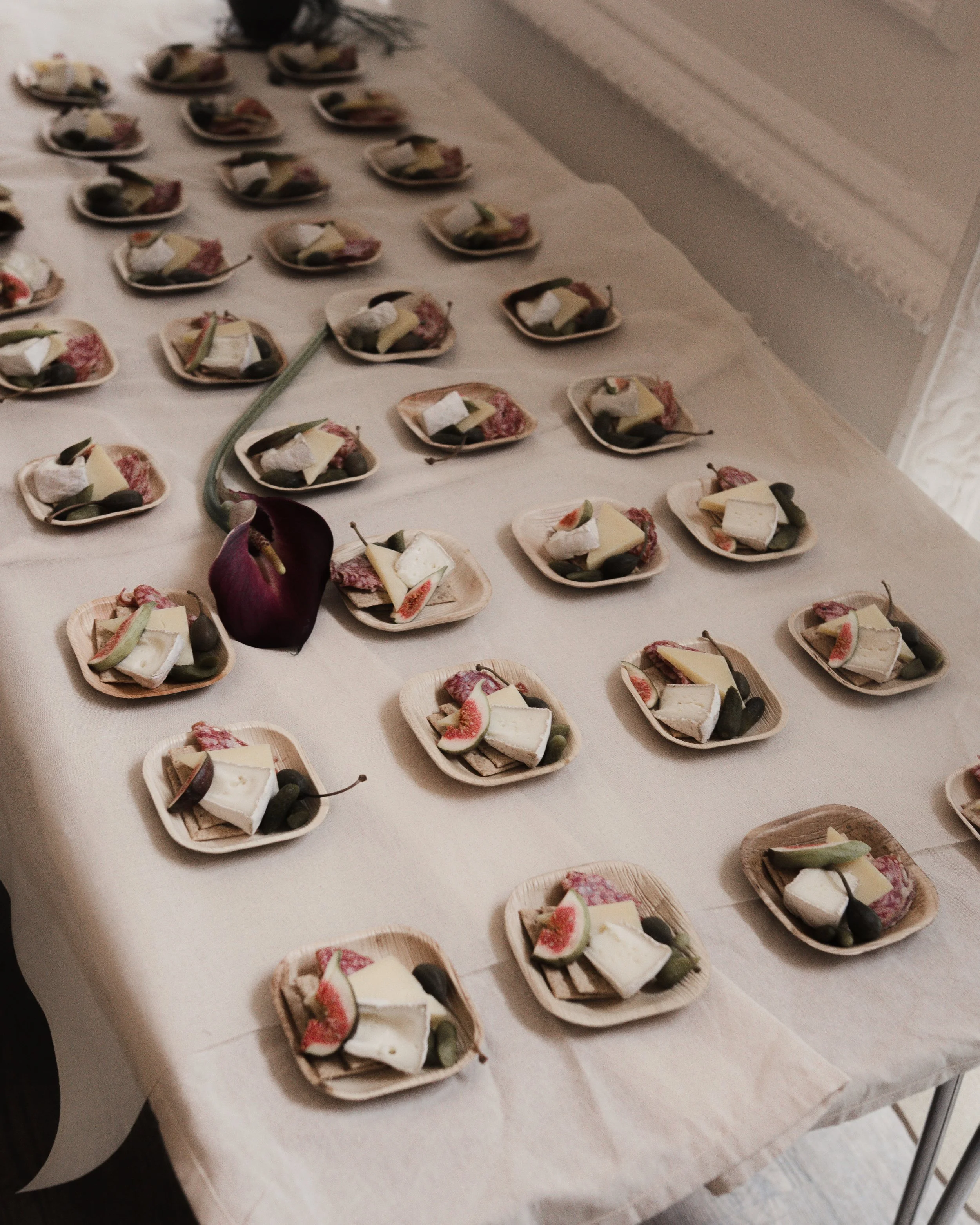
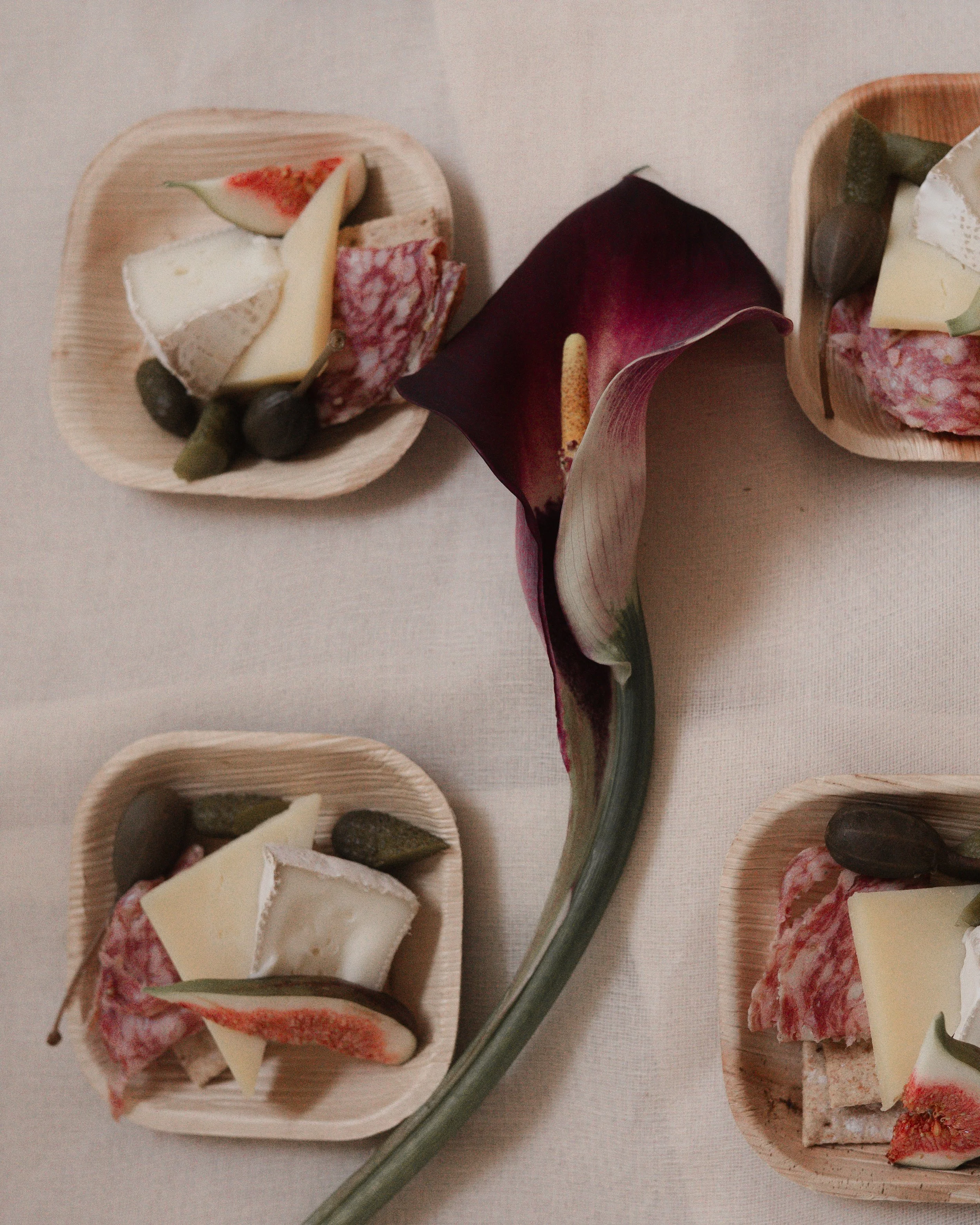
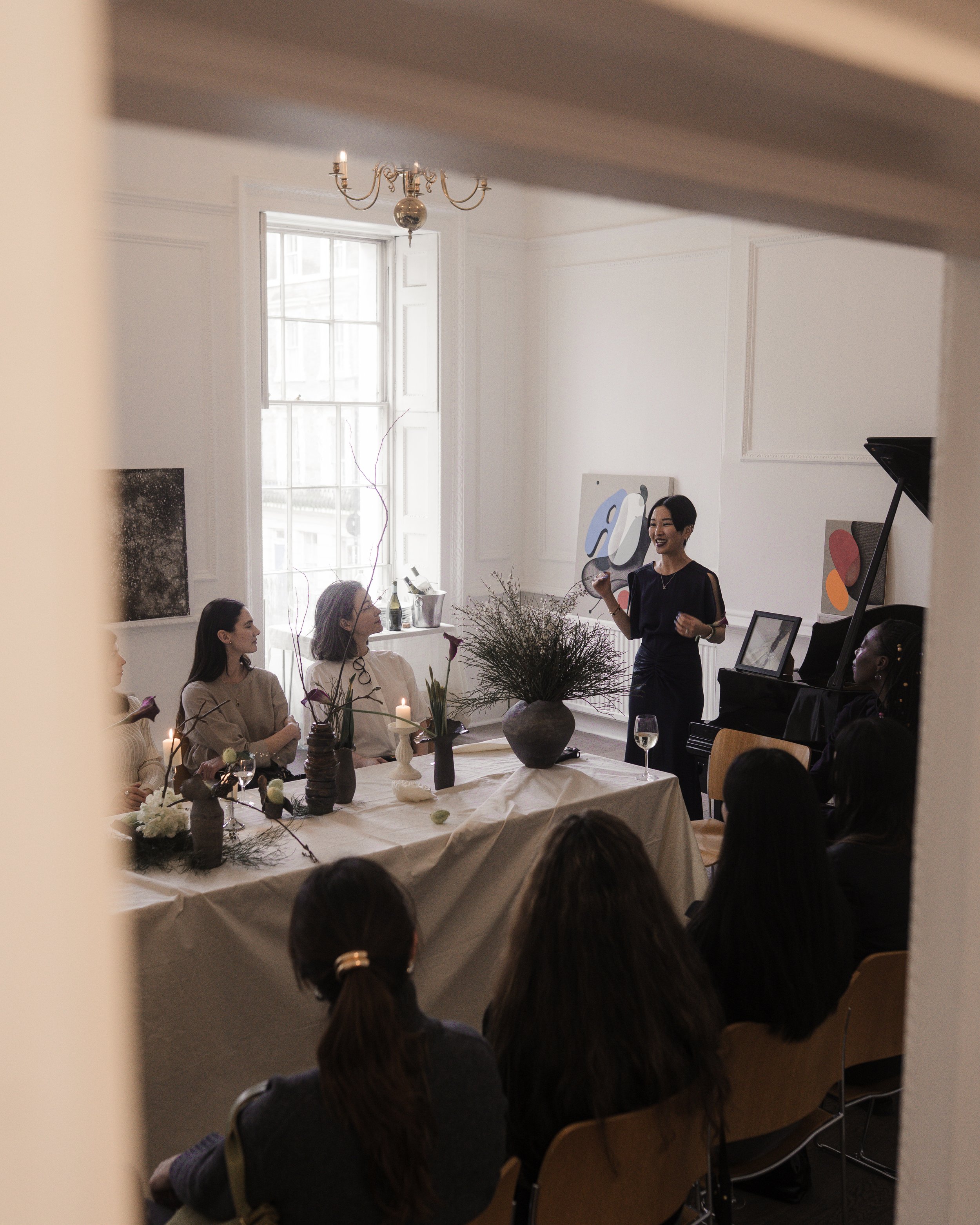
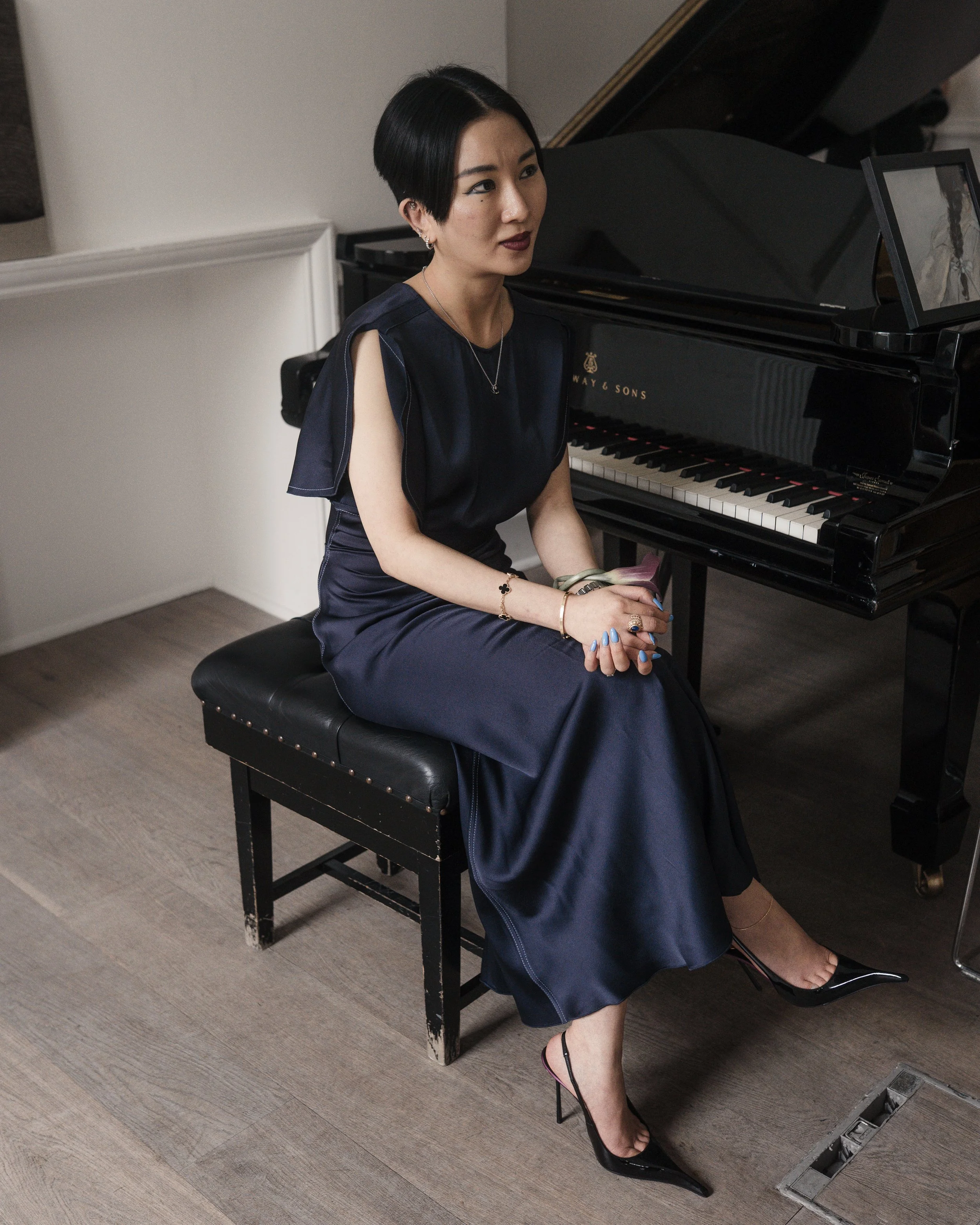
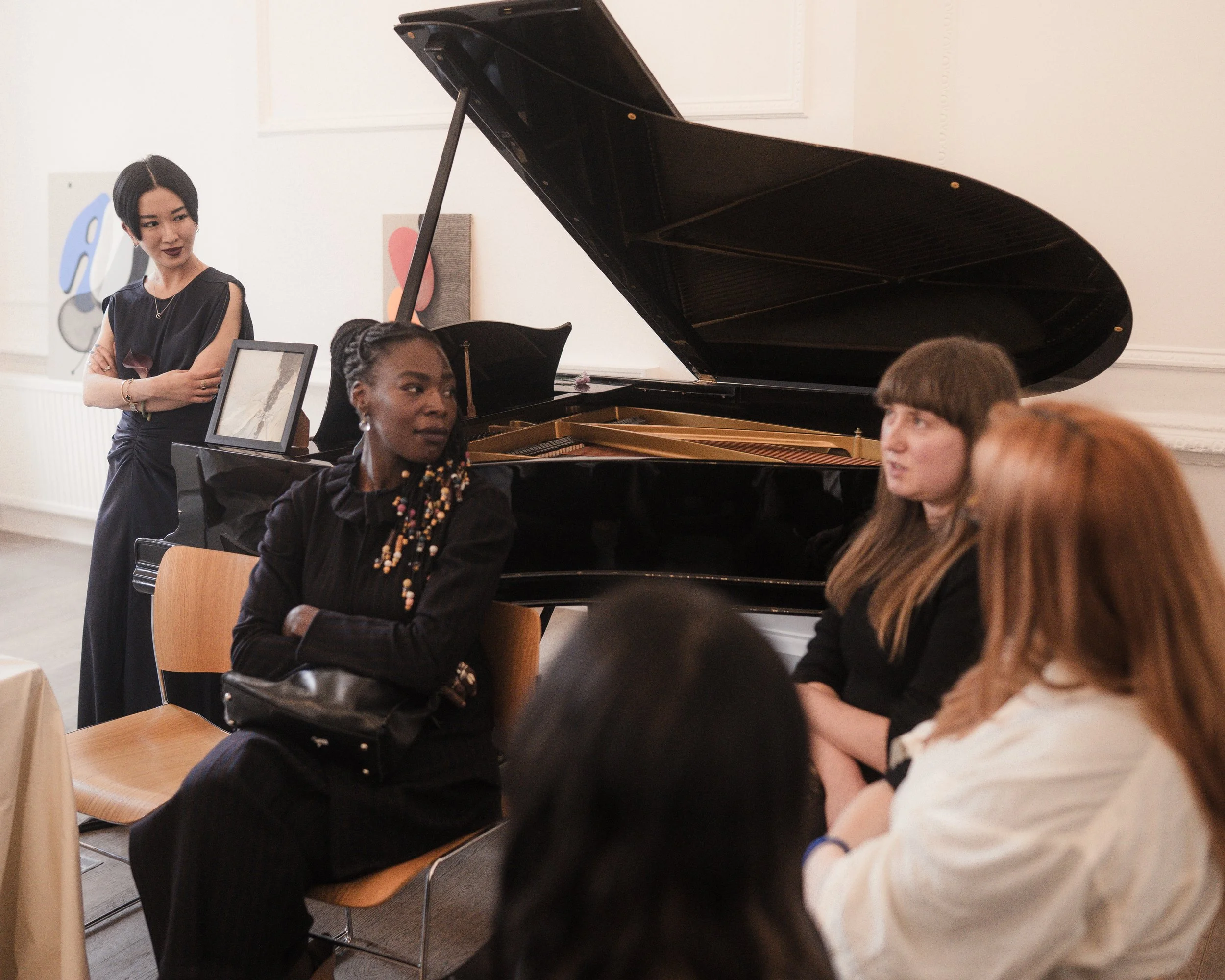
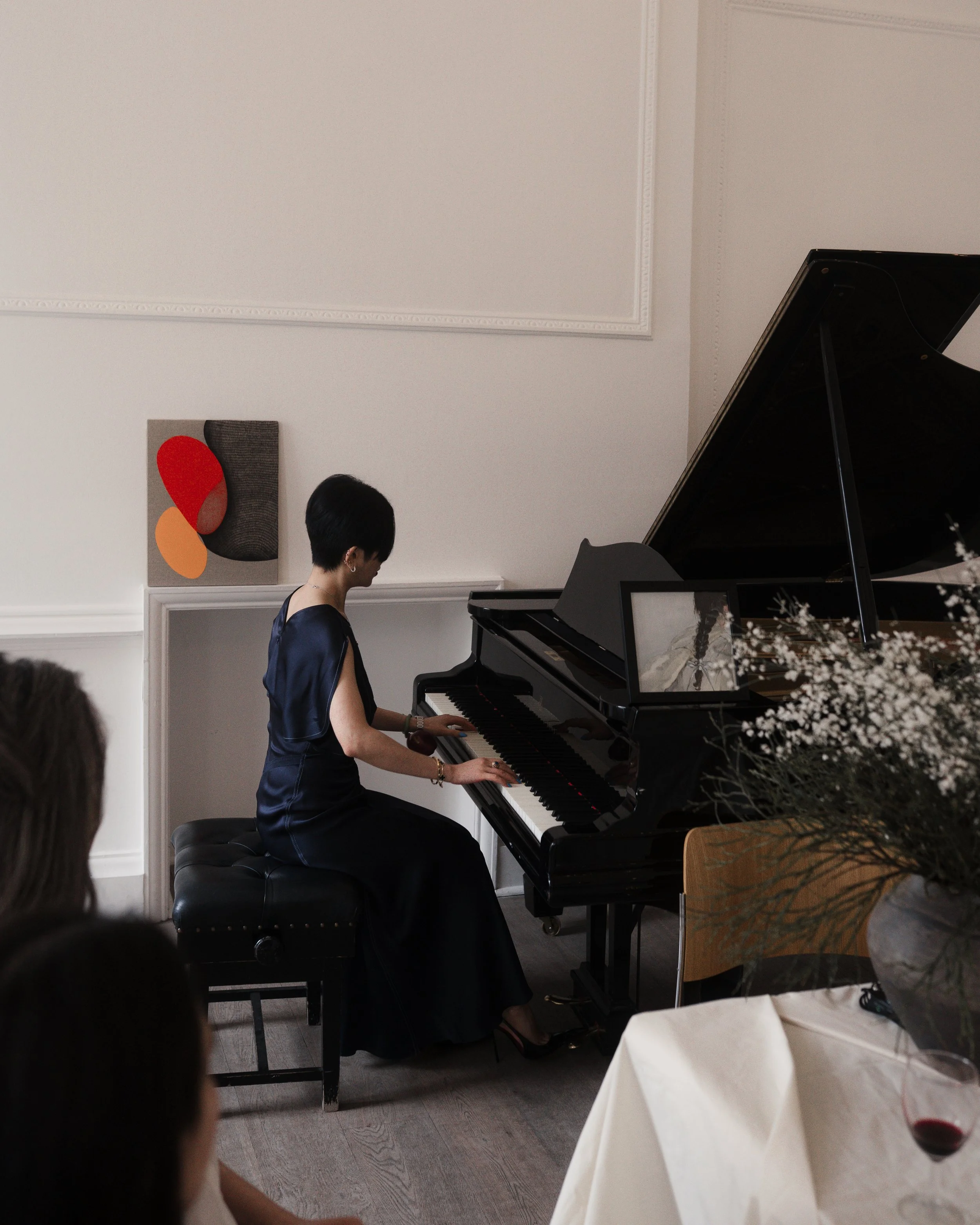
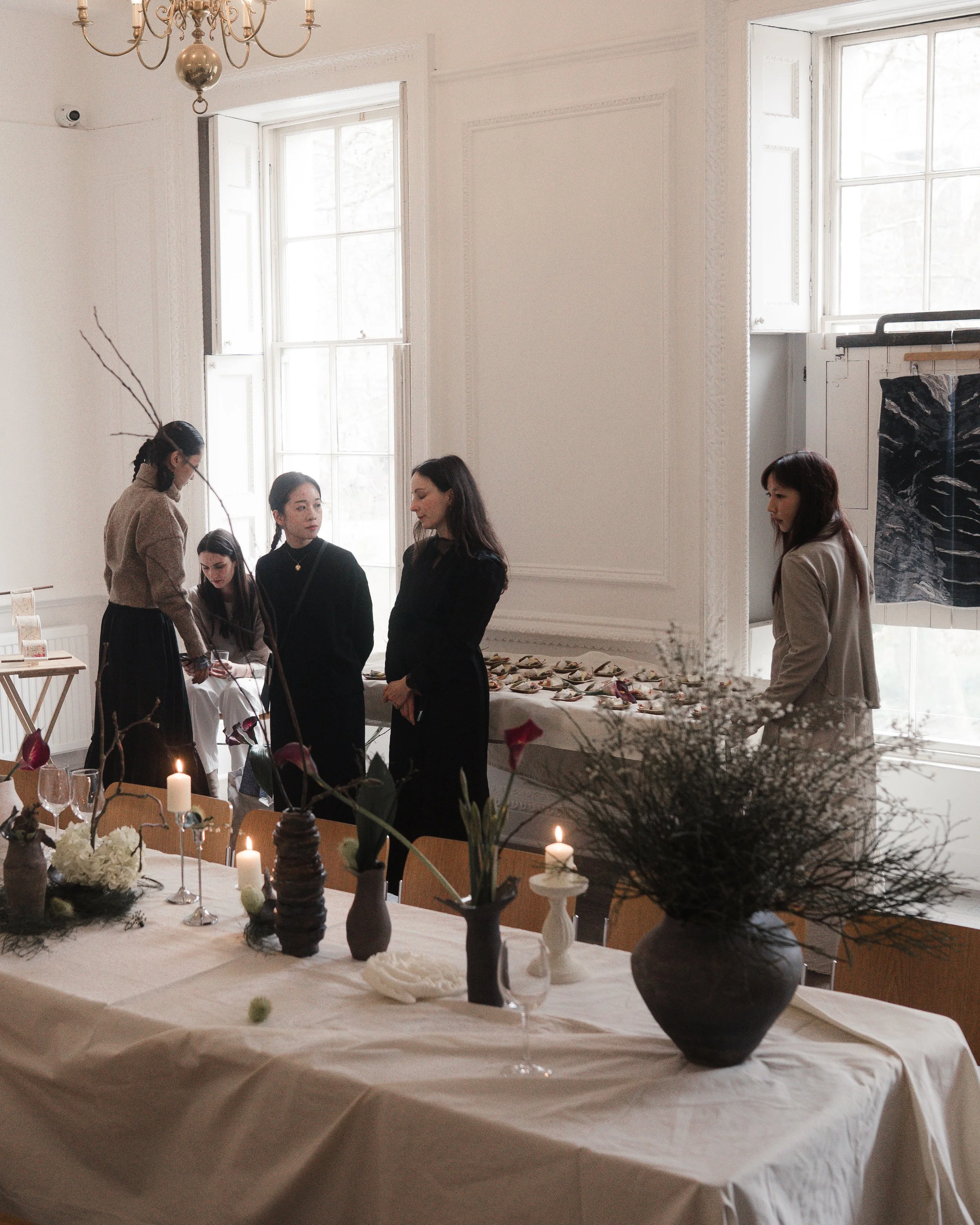
Modern Renaissance is a SEEN Signature Gathering that took place on 21 February in London.
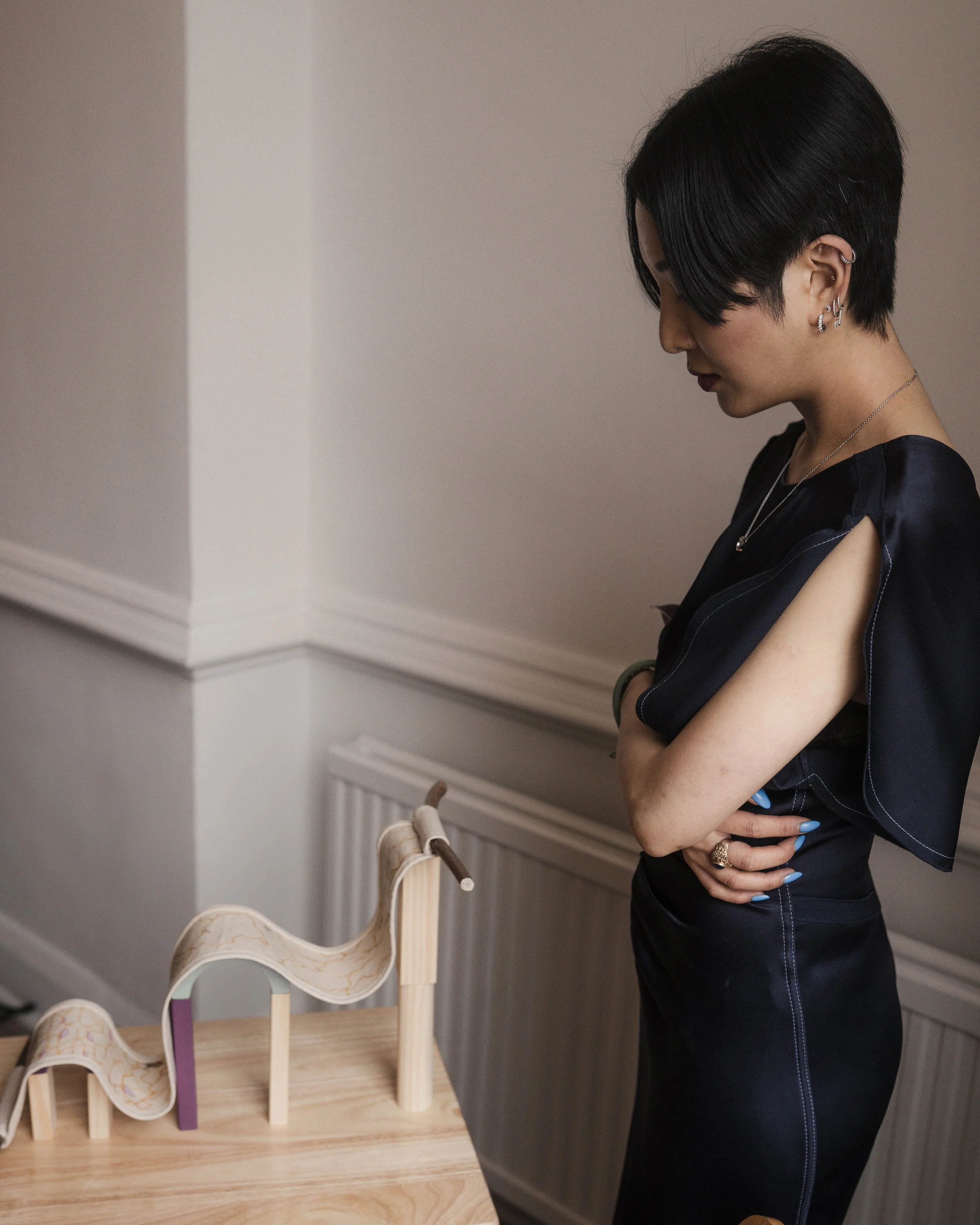
Initiated by Chengxi Taylor, an AI founder working at the intersection of technology and human-centred systems, the gathering explored one central question:
What does it mean to place the human being at the centre in an age of accelerating technology?
Inspired by the historical Renaissance, a period when science and art flourished together, the event revisited that spirit at a time when artificial intelligence is reshaping industries, systems, and imagination.
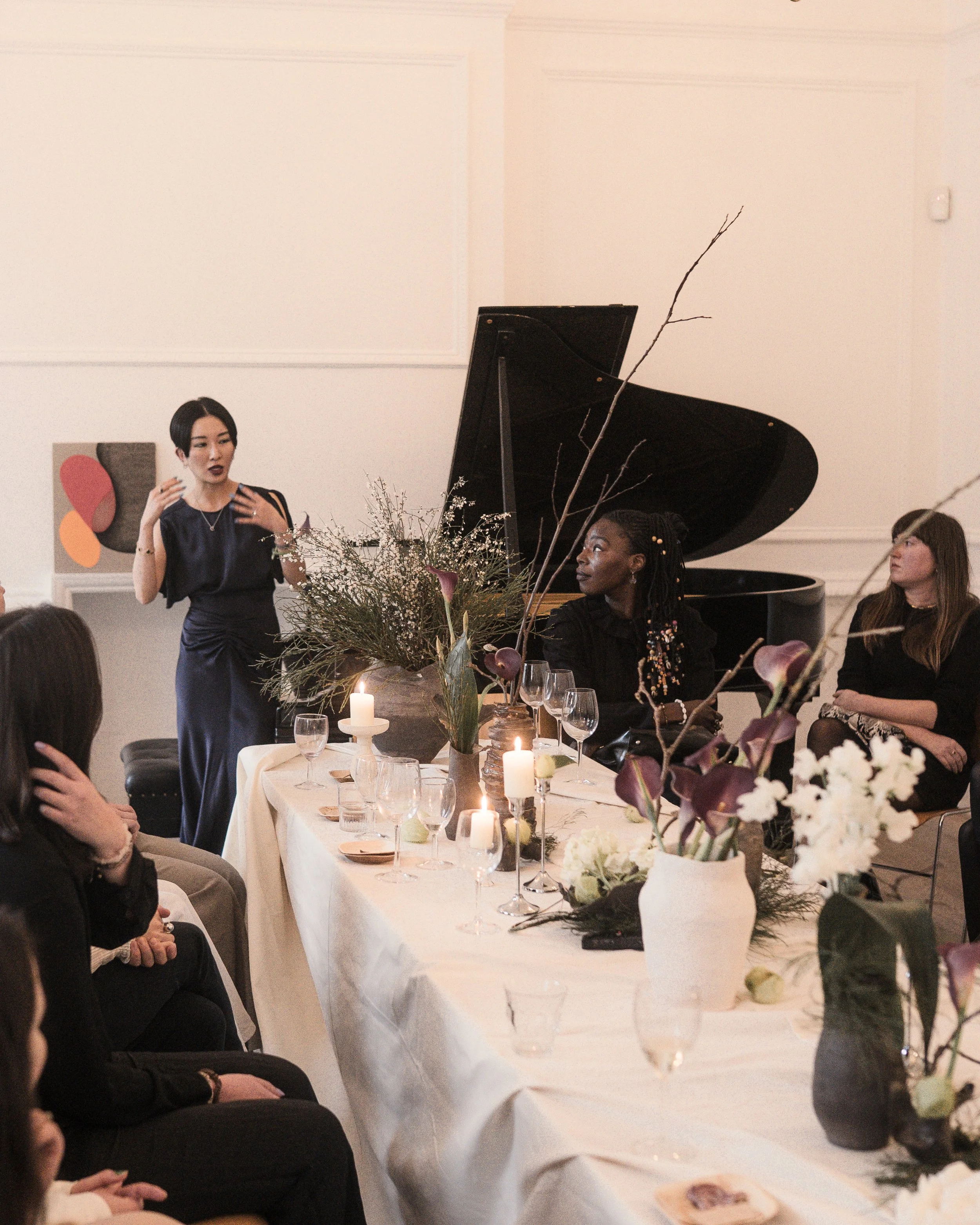
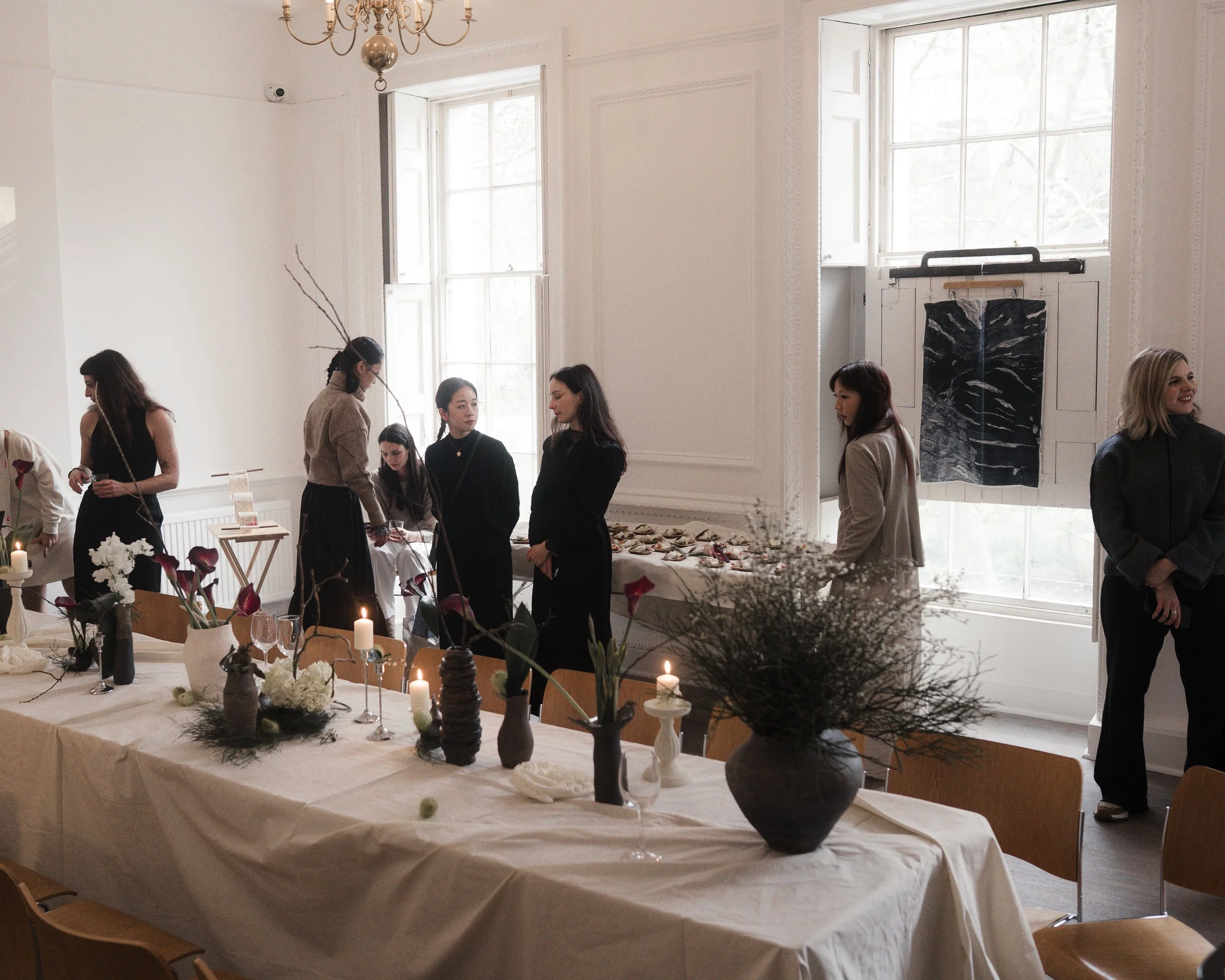
A Cross-Disciplinary Audience
Participants included:
-doctors and bio-researchers
-mathematicians and AI engineers
-investors in cutting-edge technology and VPs from private equity
-filmmakers, writers, painters, critics
-composers and architects
This deliberate mix enabled dialogue between distinct modes of thinking: artistic and technological on equal ground.
A Multidisciplinary Format
The gathering integrated:
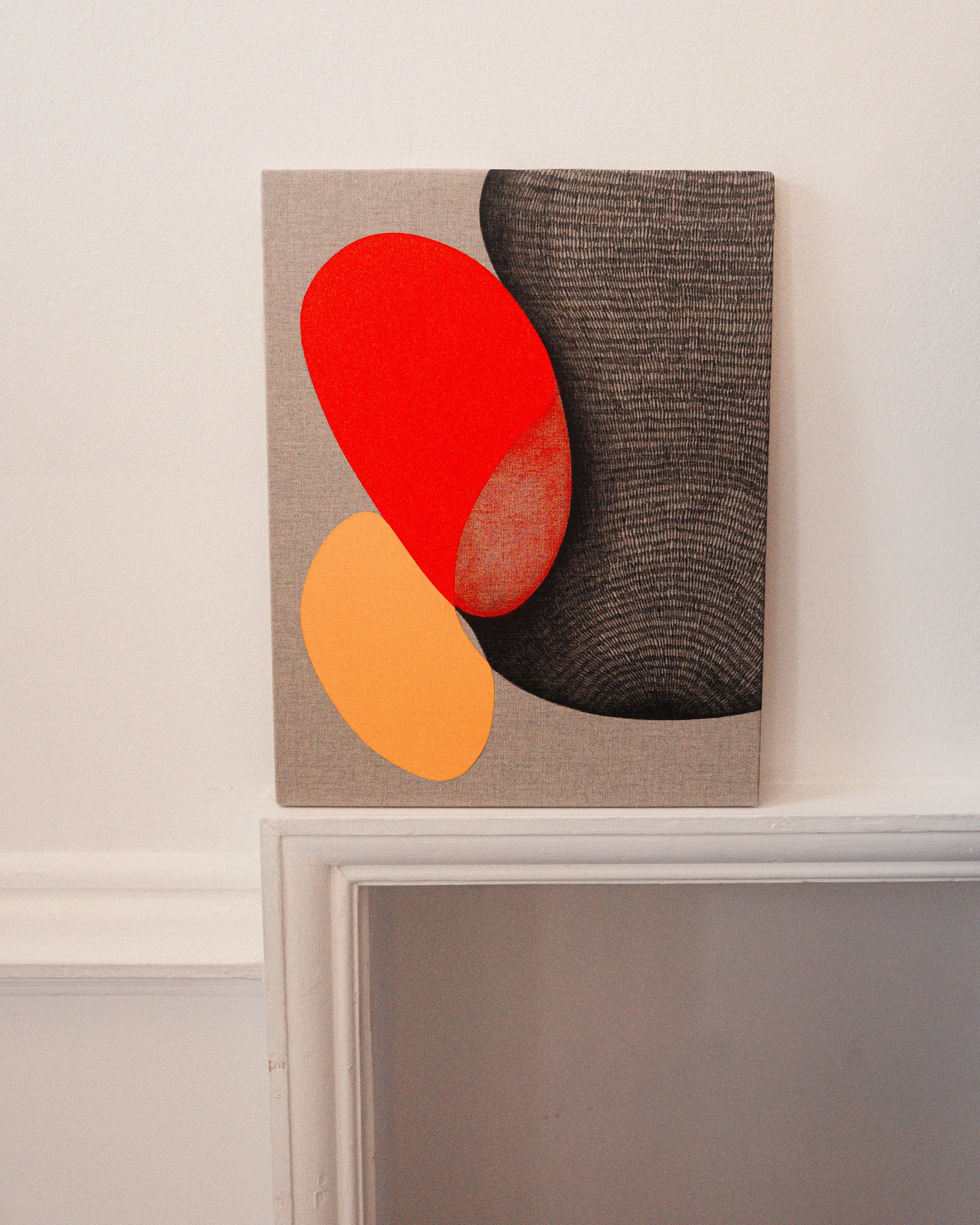
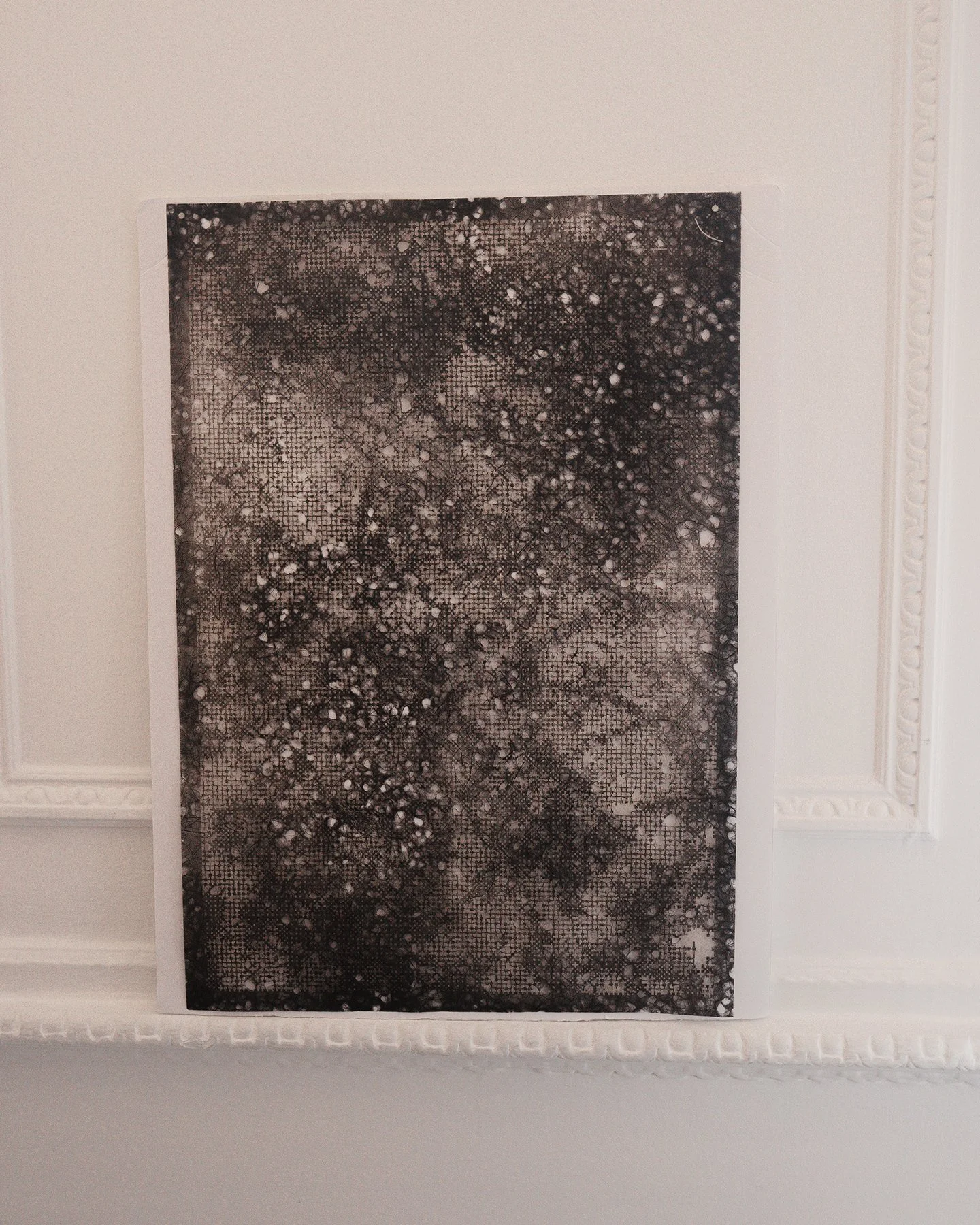
-visual art
-film
-music
Rather than panels or formal talks, the format encouraged reflection before discussion - a structure that remains central to SEEN.
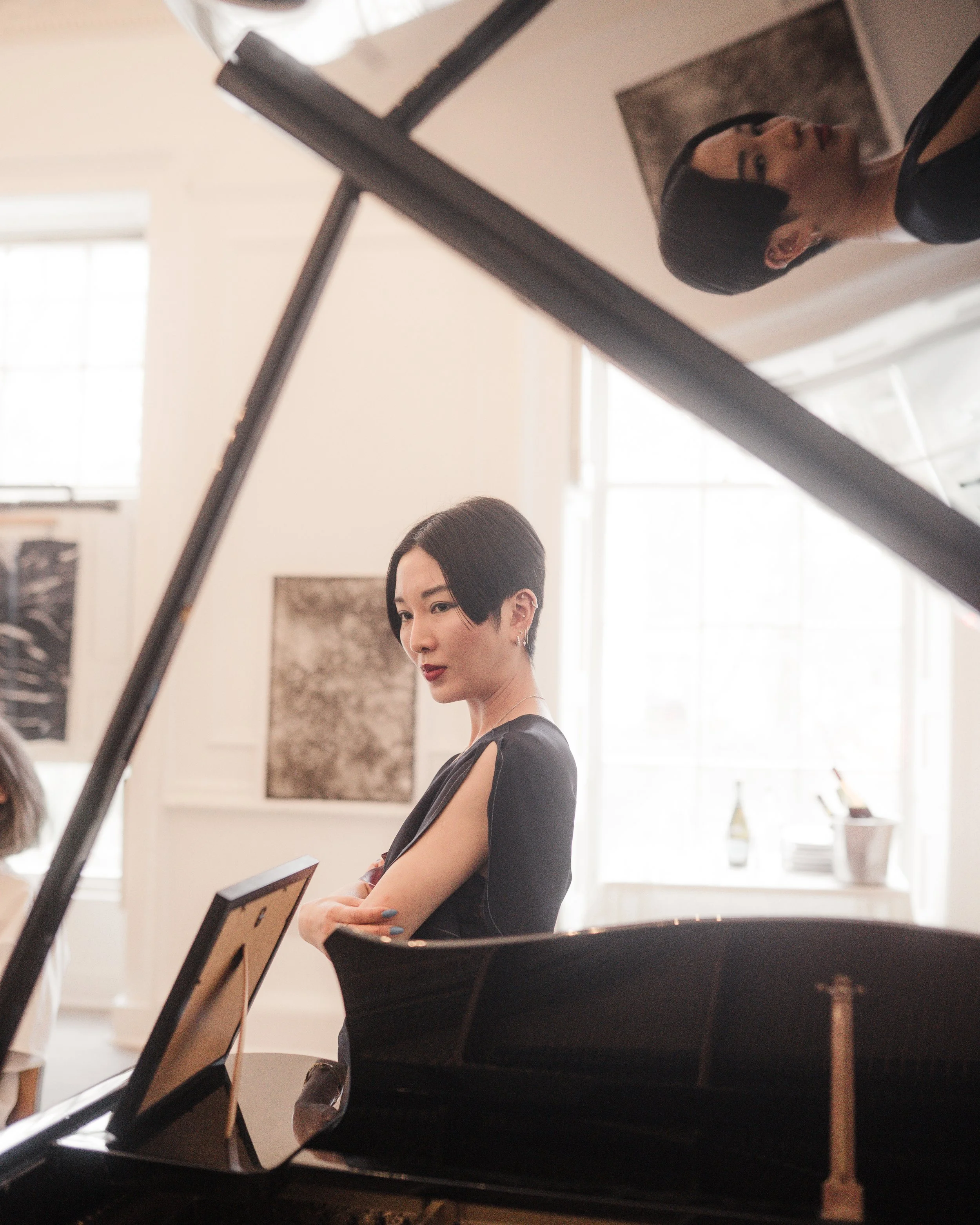
“My commitment to bridging technology and art is personal: shaped by crossing cultures and disciplines, I have learned that new possibilities emerge only when boundaries are challenged.”
- Chengxi Taylor, Founder of SEEN
Tech × Art: The Core Inquiry
Drawing from her work in AI, Chengxi articulated a clear premise:
Technology can optimise and generate, but it does not originate meaning.
Human perception, intuition, and even imperfection remain essential sources of value. In an increasingly automated world, what we bring as individuals - our sensibility, contradictions, inner voice - becomes more significant, not less.
The task is not to resist technology, but to integrate it without losing what makes us human.
An Ongoing Exploration
Modern Renaissance marks the beginning of a continued inquiry within SEEN.
At the intersection of technology and art, the question remains: how do we ensure that innovation elevates human potential?
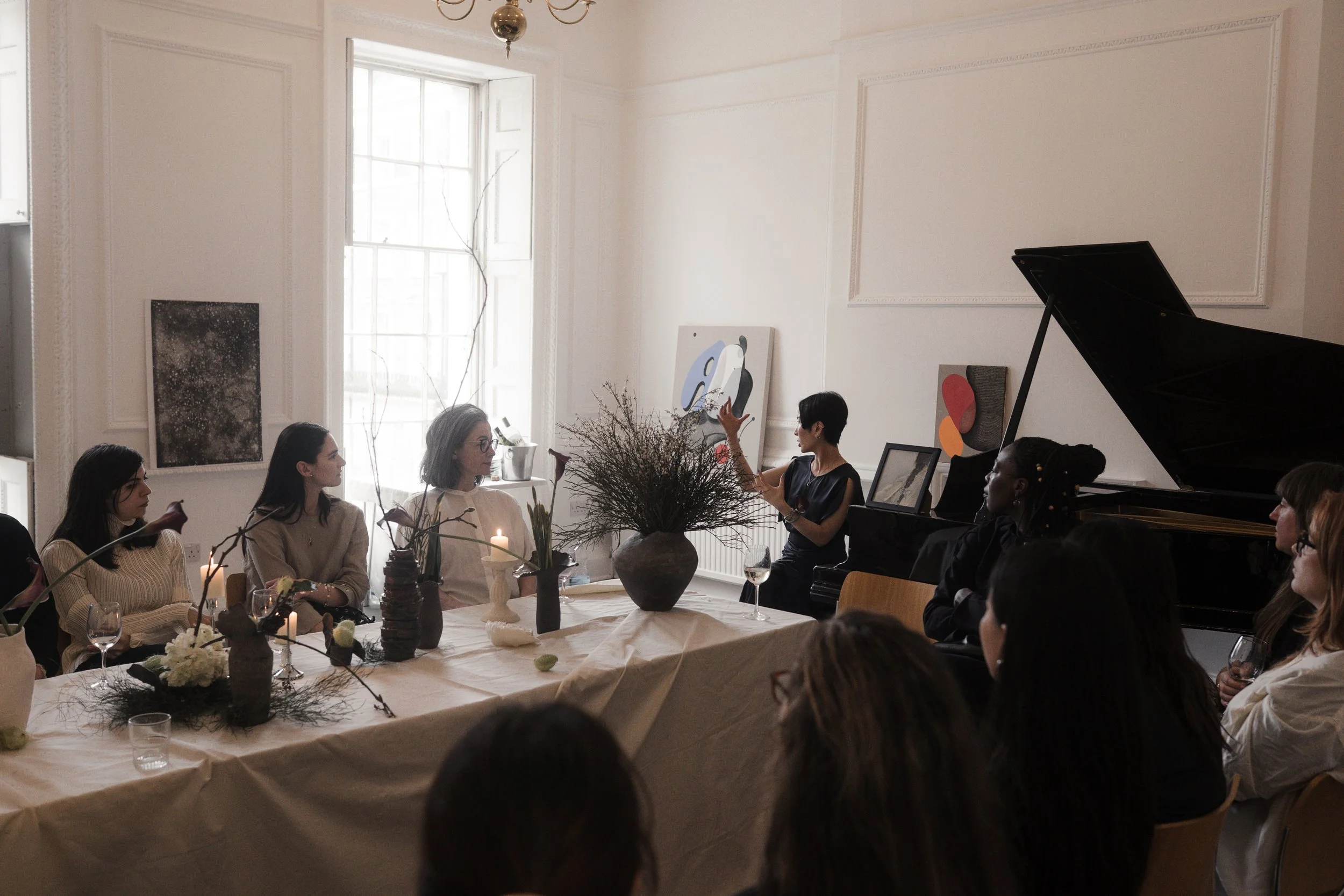
GUEST REFLECTIONS
“In 2021, I set out to answer a question that felt almost absurd at the time: can a machine write poems that are based on the 19th-century poetry and diabetes research papers of the 21st century? The LLMs we have today didn’t exist yet. I trained an early GPT-2, but it couldn’t bridge such distant worlds with it, so I built my own algorithm to do what the model couldn’t.
A room of women from technology, investment, science, and art - each speaking a slightly different language, genuinely trying to understand each other. That kind of conversation is much rarer than it should be.
As in the The Renaissance, we refused to stay in one field only, because the most interesting things live in the intersection of different fields and different minds, and we only find them by bridging both. That’s where the poems are.”
“One of my main takeaways from the event regarding the accelerating presence of AI, is that one’s attitude towards the ‘hard problem of consciousness’ is possibly correlate to one’s anxieties on the subject.
feel that the analogy of entanglement in quantum physics where states are non-binary and interconnected, is a good way to usher in new ways of considering collaborative connections throughout nature and AI.”
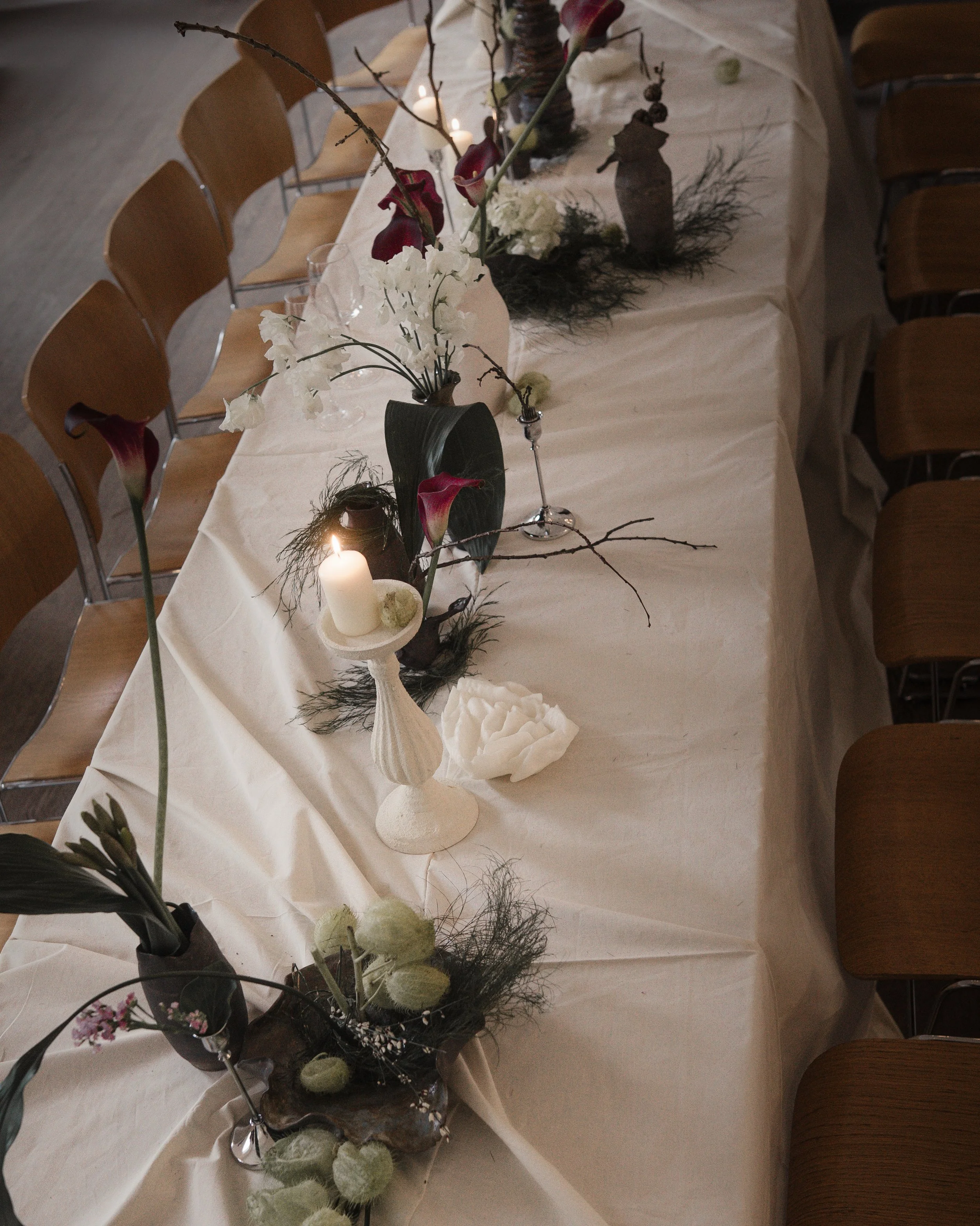
“While the Renaissance was grounded in an anthropocentric system of belief, I am more interested in posthumanist thinking, which invites us to consider non-human perspectives, and even forms of intelligence yet to emerge or to be discovered. This is particularly relevant today, as current AI models are largely shaped by human-centred viewpoints and datasets filtered through specific cultural lenses.
I am therefore drawn to questions such as: What can we learn from ecological, planetary and artificial systems? Where is our place within them? And how might our systems of belief transform over the next hundred years and beyond?”
“The afternoon made me reflect on whether the future is not simply human versus artificial intelligence, but biological intelligence alongside artificial systems. What remains irreducibly human may not be output or efficiency, but our embeddedness in living systems - our capacity to sense, to pause, to interpret without immediate resolution.”
“I had the please to join Chengxi and a group of remarkable women across investment, AI, and art for a conversation on how technology reshapes creation, value, and control. Technology enables efficiency and scale, but full value is unlocked through governance and stewardship. AI does not remove human agency; it reorganises it. Creative output may appear decentralised, but power often becomes more concentrated - embedded in infrastructure, platforms, and capital allocation.
The real question may be less whether AI can create, and more who shapes the system within which creation acquires value. Technology scales production. Governance shapes outcomes.”
“I was delighted to share one of my latest short films, “Discord”, with such a welcoming audience, many of whom could relate to the themes at hand. It is not often that you get to share creative work in such a multidisciplinary space, and I thoroughly enjoyed listening to Chengxi’s beautiful piano playing as well as witnessing the creativity displayed by many artists.”
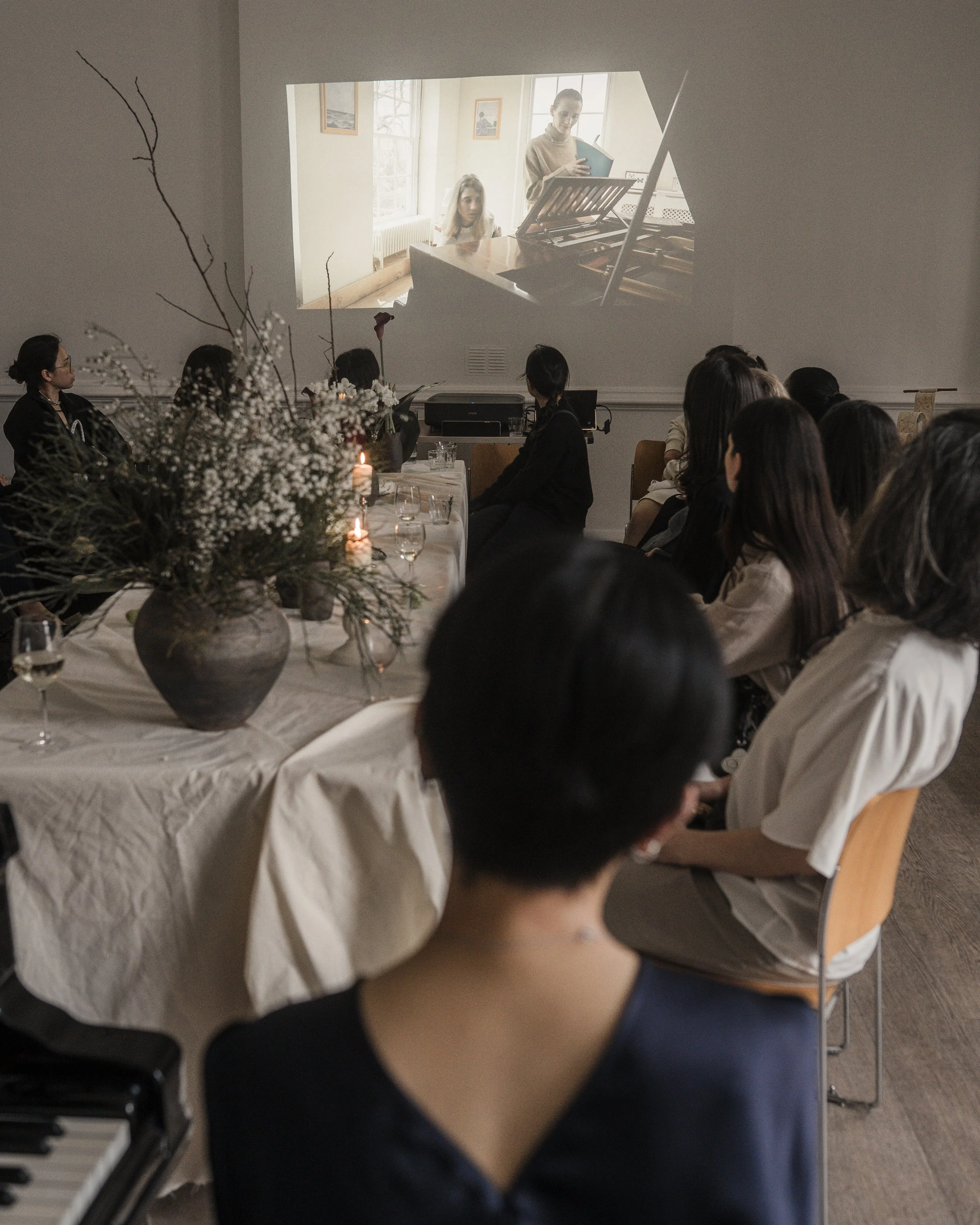
“A fantastic gathering of women who support women, who crave substance and demonstrate excellence at the intersection of creativity (spanning art and science), community, and commerce.”
“Can we see art and tech the same way mathematics and art was seen during the Renaissance? SEEN club gave space for works that reflected materiality outside of the digital space but then allowed the questions hovering within art space to come down and be truly considered.”
“It was truly a pleasure to be part of the SEEN gathering, Modern Renaissance, and to share space with such an inspiring group of women from so many different backgrounds. The conversations felt open and honest. At times I recognized pieces of my own journey in others stories, and at other moments I was introduced to perspectives entirely new to me. That exchange felt very alive.”
“At the SEEN event, listening to the many visions, concerns and projections surrounding artificial intelligence, it became apparent that the perceived threat of robotics and AI is often used in media as a numbing spectre.”
“The event profoundly resonated with me, particularly the theme of connection amidst the backdrop of art and music. Surrounded by such bright, intellectually curious women, I was reminded of the importance of community in our individual journeys.”
“I joined the AI discussion mostly as a listener. AI may support ideas, but meaning still comes from lived experience. I left feeling curious rather than fearful, and more intentional about how I choose to engage with these tools and use them to support my creativity.
I’m really looking forward to continuing these conversations and staying connected with this growing network of inspiring women.”
“I had never experienced anything quite like SEEN, in the age of digital spaces, it is a privilege to go to an event like this.Never had I felt so safe and empowered to share my views and ideas freely, there was no hierarchy or divide between age, industry or ethnicity, we were all in equal footing, we all mattered and we all had something to contribute. I understand the purpose of SEEN is to bring new people with new perspectives together, but could we do this again? And again and again…?”
“When I entered the building, I was immediately surrounded by a very diverse group of women chatting with each other. It felt so natural to join them.
But most memorable of all was the group of women in the room. We all came from different backgrounds, yet each of us was uniquely interesting, making it easy to chat and exchange stories.
(and I didn’t use AI to write it!)”
“It was genuinely nice to be part of the gathering. I found the mix of perspectives really stimulating, and Chengxi was very inspiring in how she framed the conversation and brought such different disciplines together.
We live in a world that has always been in flux and will continue to evolve. What matters is that we don’t lose our humanity in the process, our capacity to connect, to create together, and to approach one another with empathy and understanding for different ways of thinking and working.”
“Discussing with the AI founder who started her career in finance, is interested in art but also loves playing the piano made me think of H.Marcuse’s critique of One-dimensional man. Each woman in the room shared one defining quality: she was a Creator - shaping a distinct world through her skills and unique experiences and generating innovation by embracing intersections across fields. Cheers to the future of multidimensional creativity!”
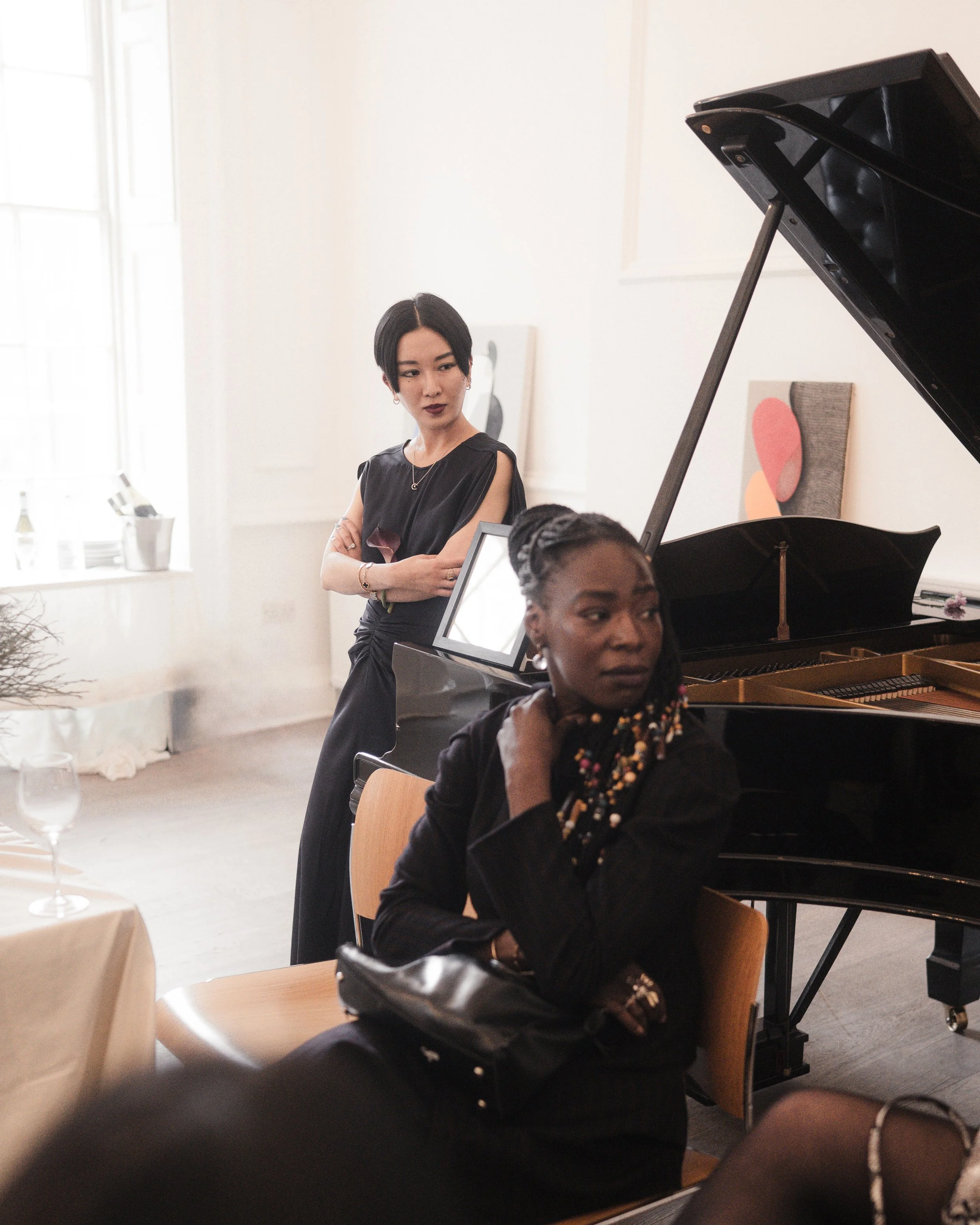
“The SEEN gathering was unlike anything I’ve experienced, the discussions had across the table were expanding, nourishing and candid.
There are so many repeated patterns across nature, science and the universe, wonderful stuff really, it’s all one and the same. Music can have so much technology entwined within it these days but then at its core there has always been a solid presence of science, mathematics and technology.”
“After the SEEN gathering, I kept returning to how AI is reshaping my creative work. AI, for me, is a powerful tool - especially as I collaborate with AI agents that set the tone for my company’s copy.But, after the event, I realized something important: sometimes, AI perfection feels too polished, too flawless. This contrast made me think of my university project, “Imperfect Beauty.” It’s that fragile, emotional imperfection that touches people on a deeper level - often far beyond a simple happiness.”