SEEN Art & Tech Conversations
Episode I: In the Studio with Artist Emily
This week we're launching something new at SEEN: Art & Tech Conversations, a series exploring how artists maintain their creative integrity as technology and synthetic imagery reshape the visual landscape. I'm not interested in drawing battle lines between human and machine. What fascinates me is understanding what remains irreducibly human when everything around us transforms at breakneck speed.
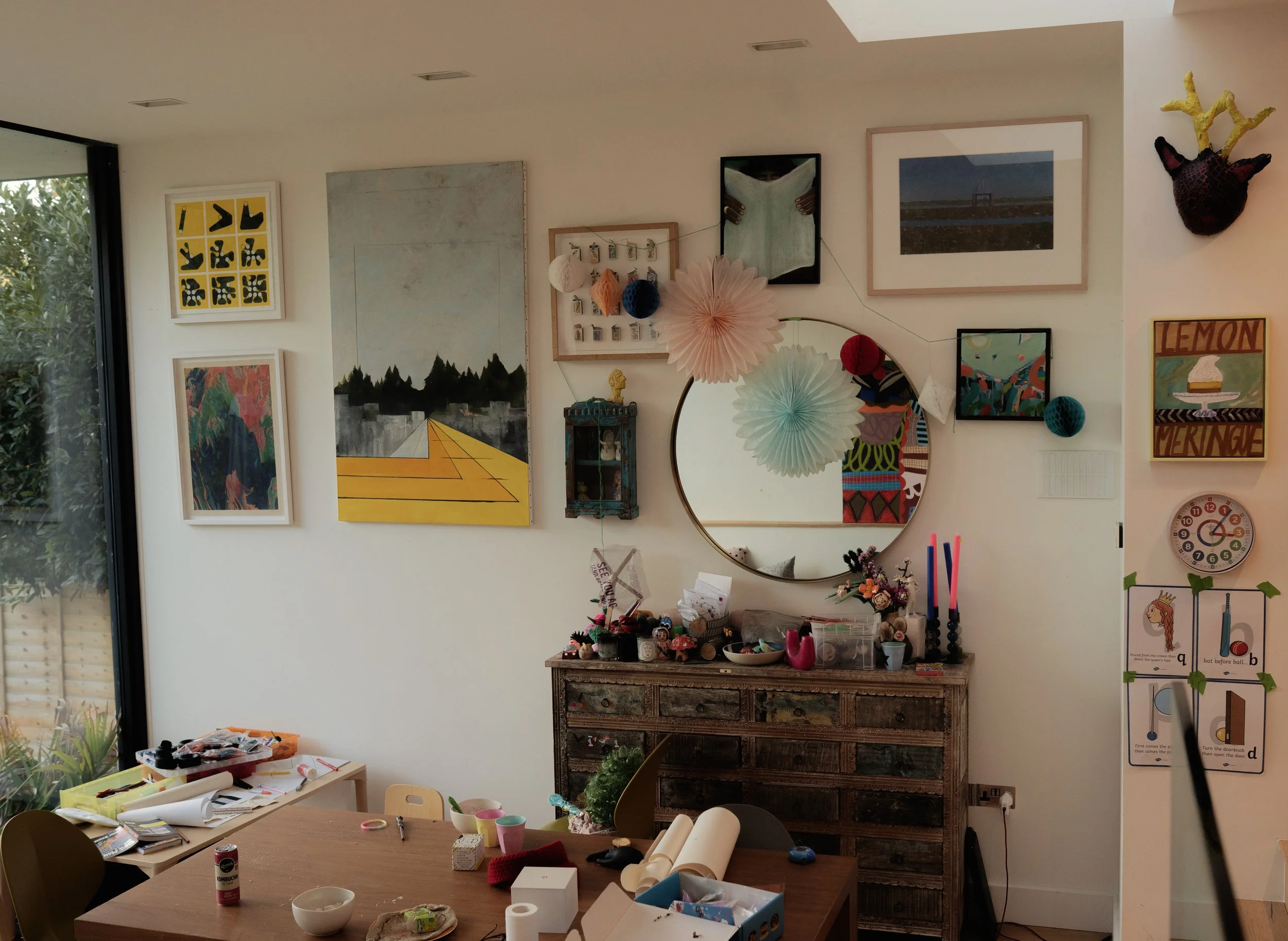
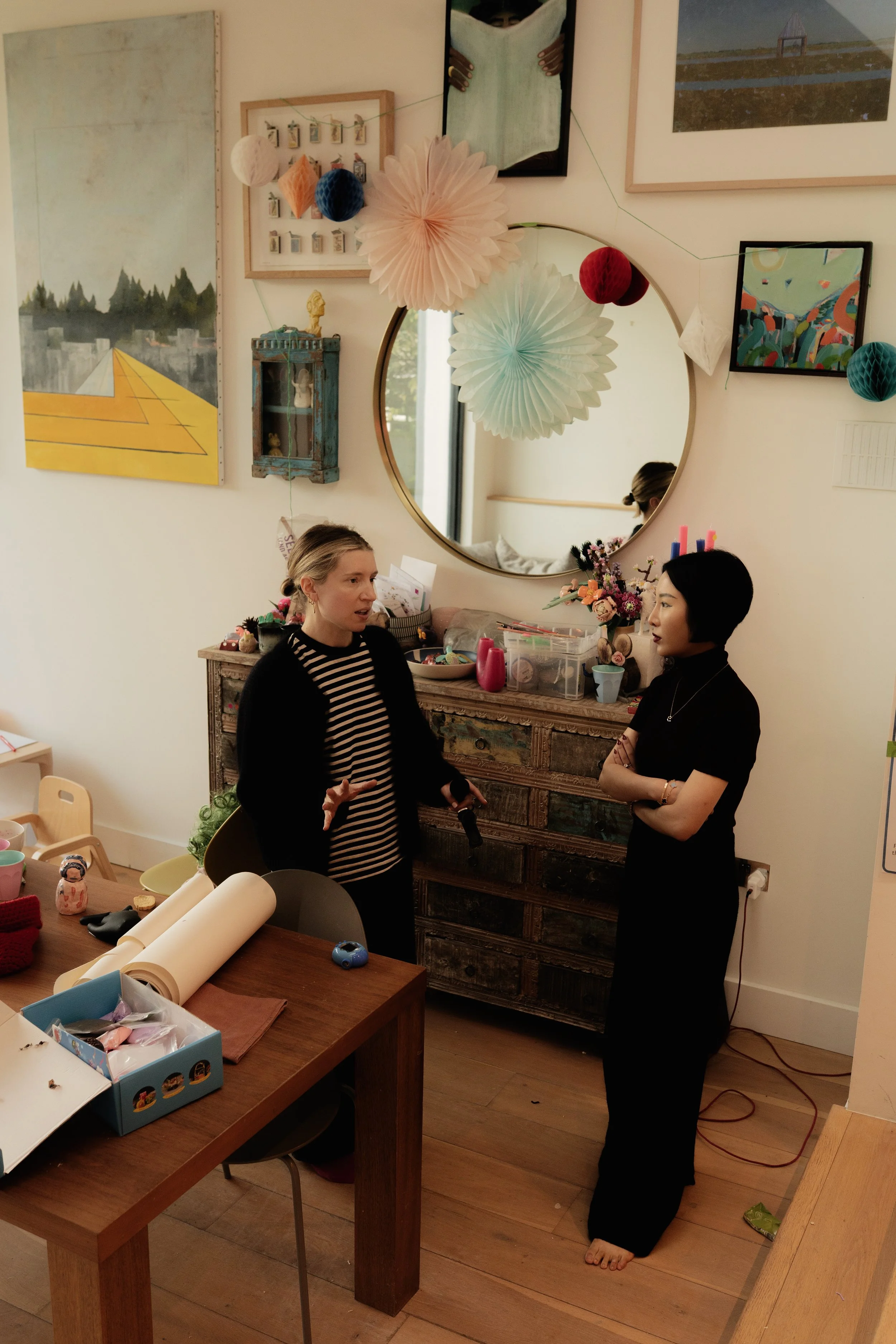
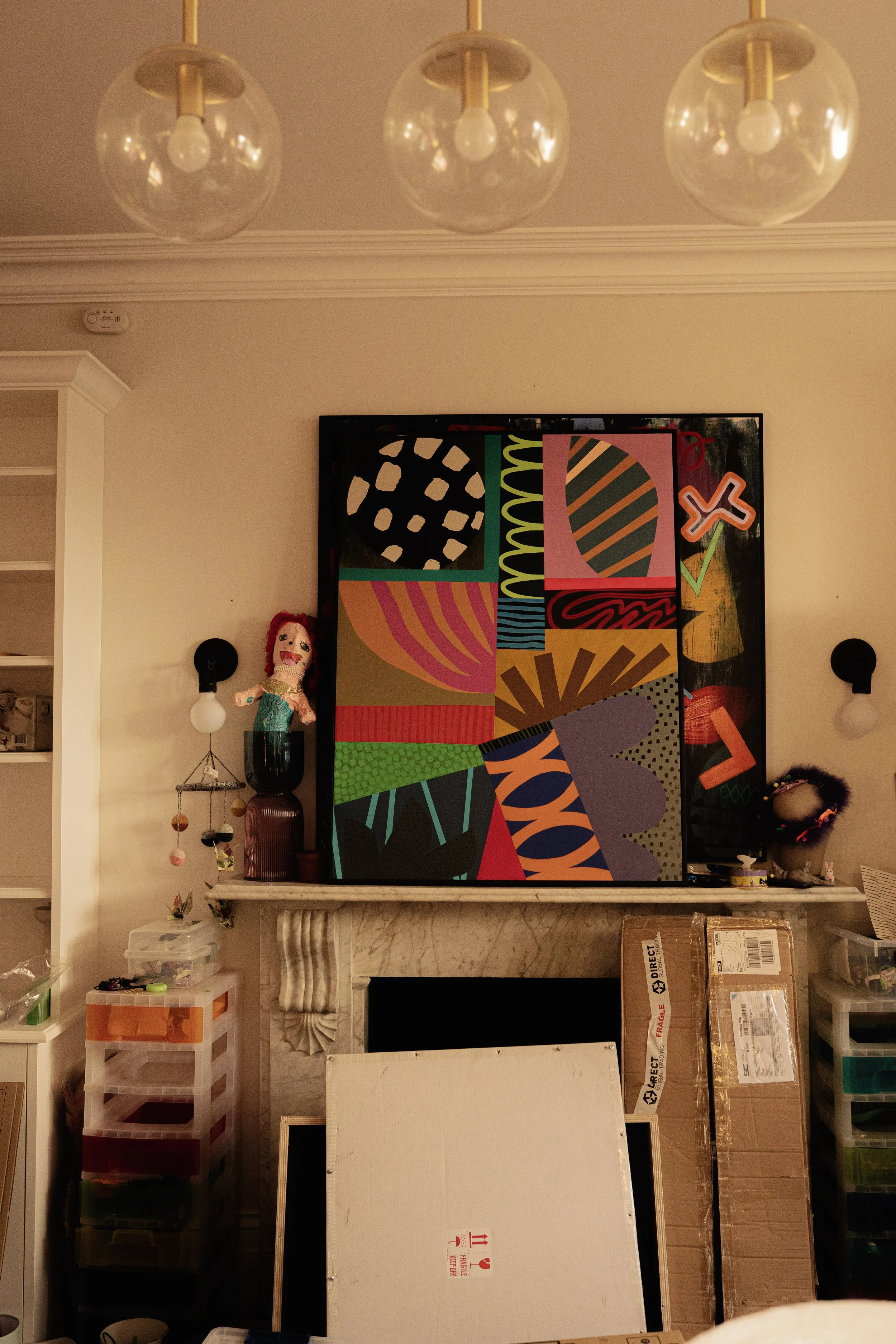
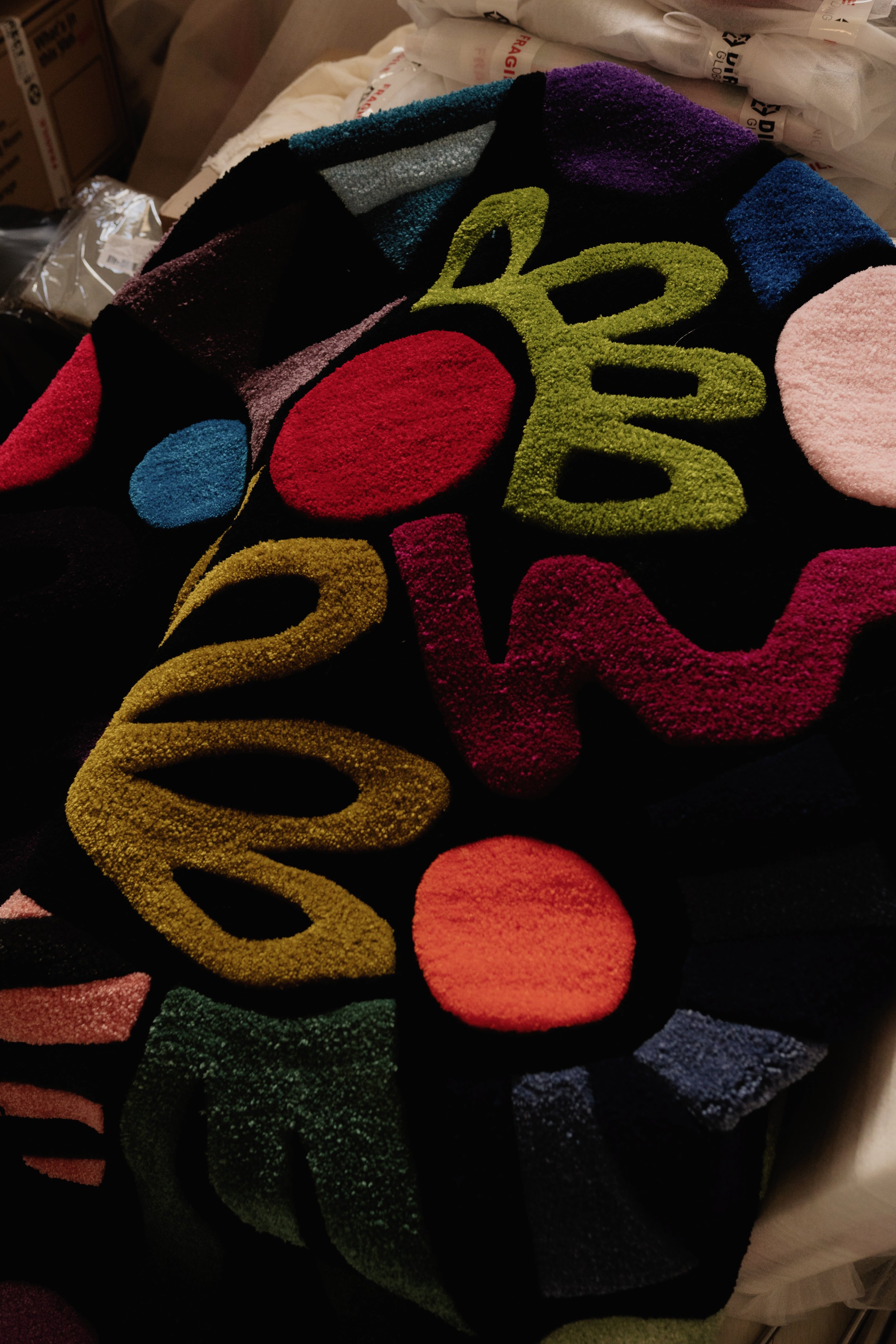
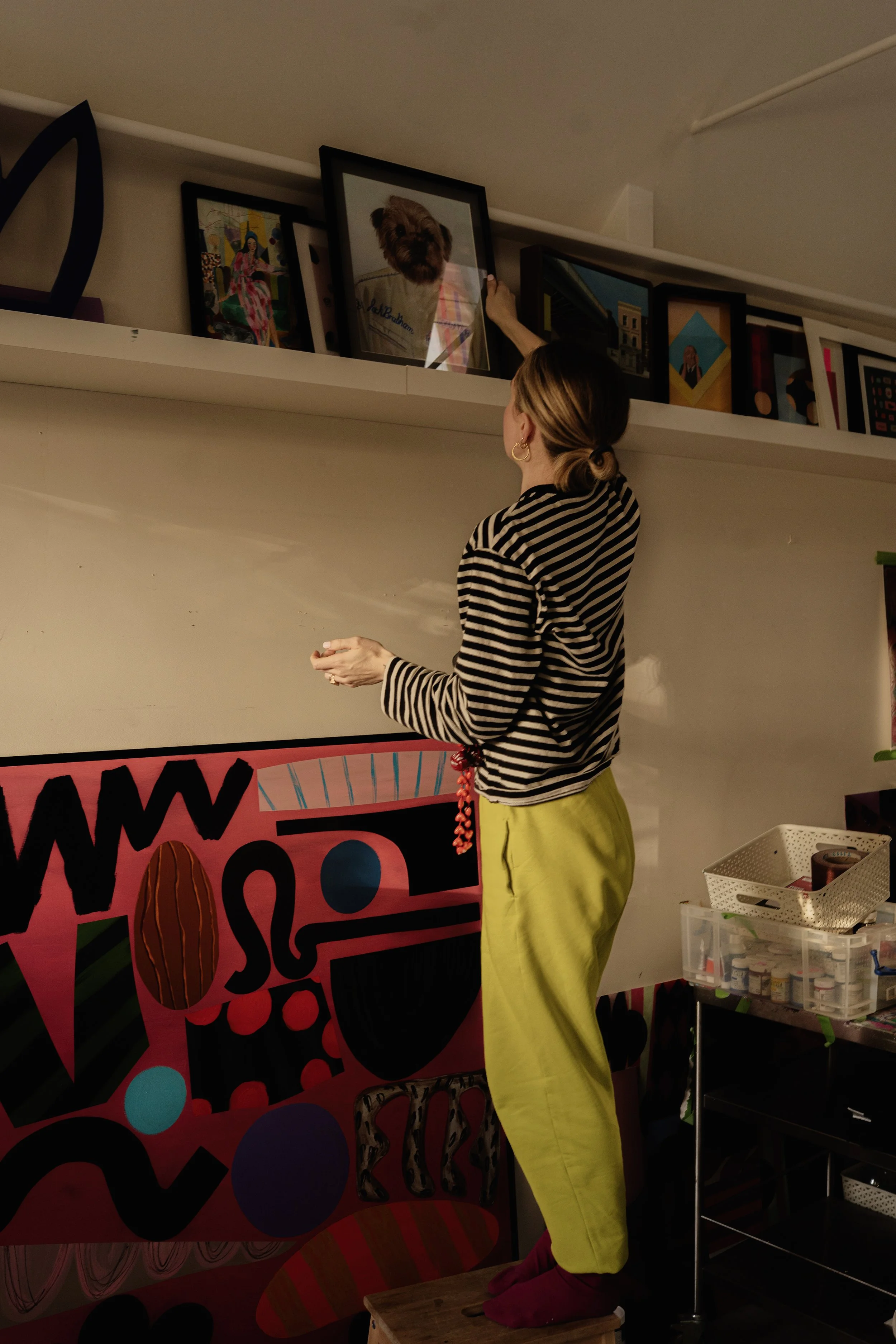
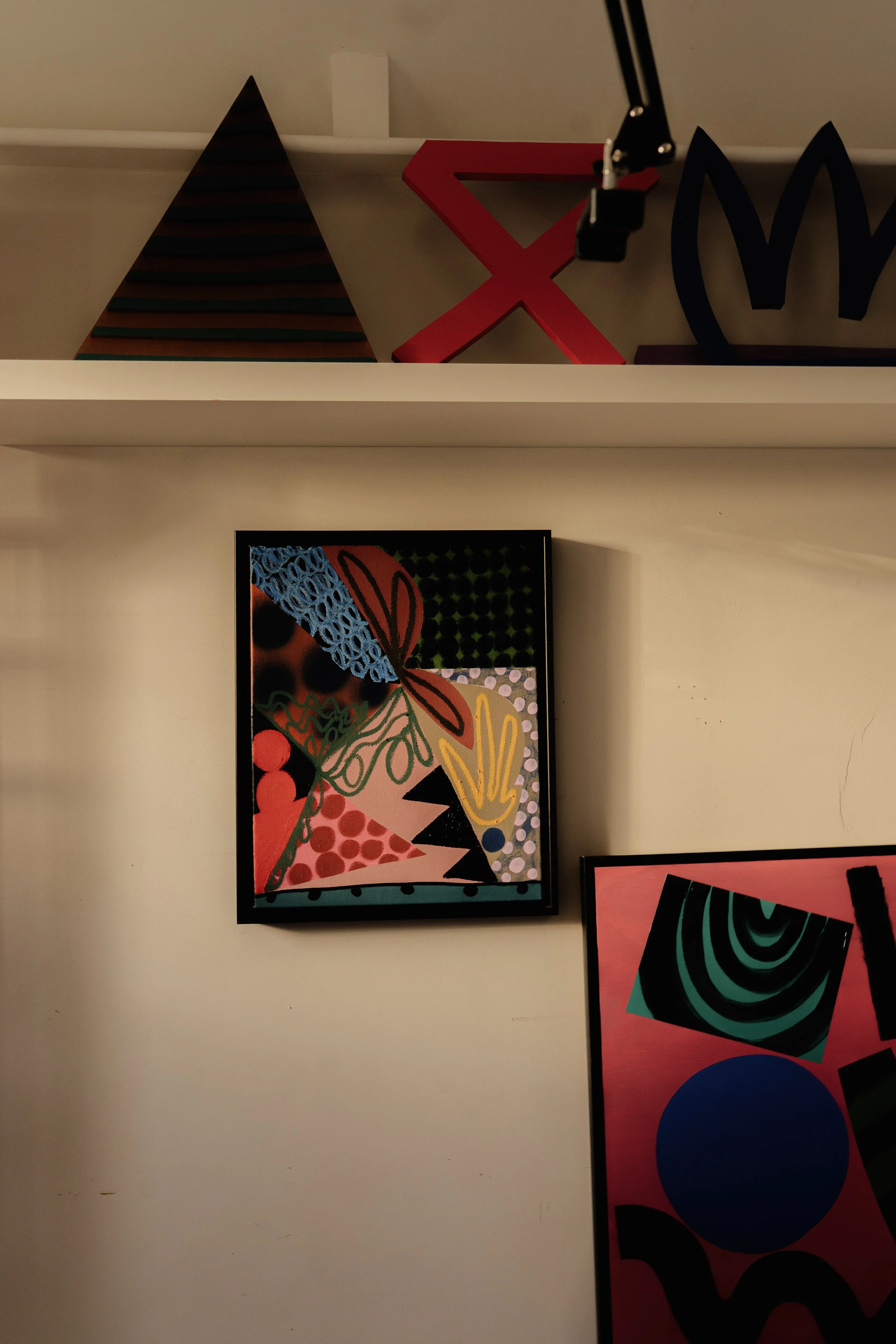
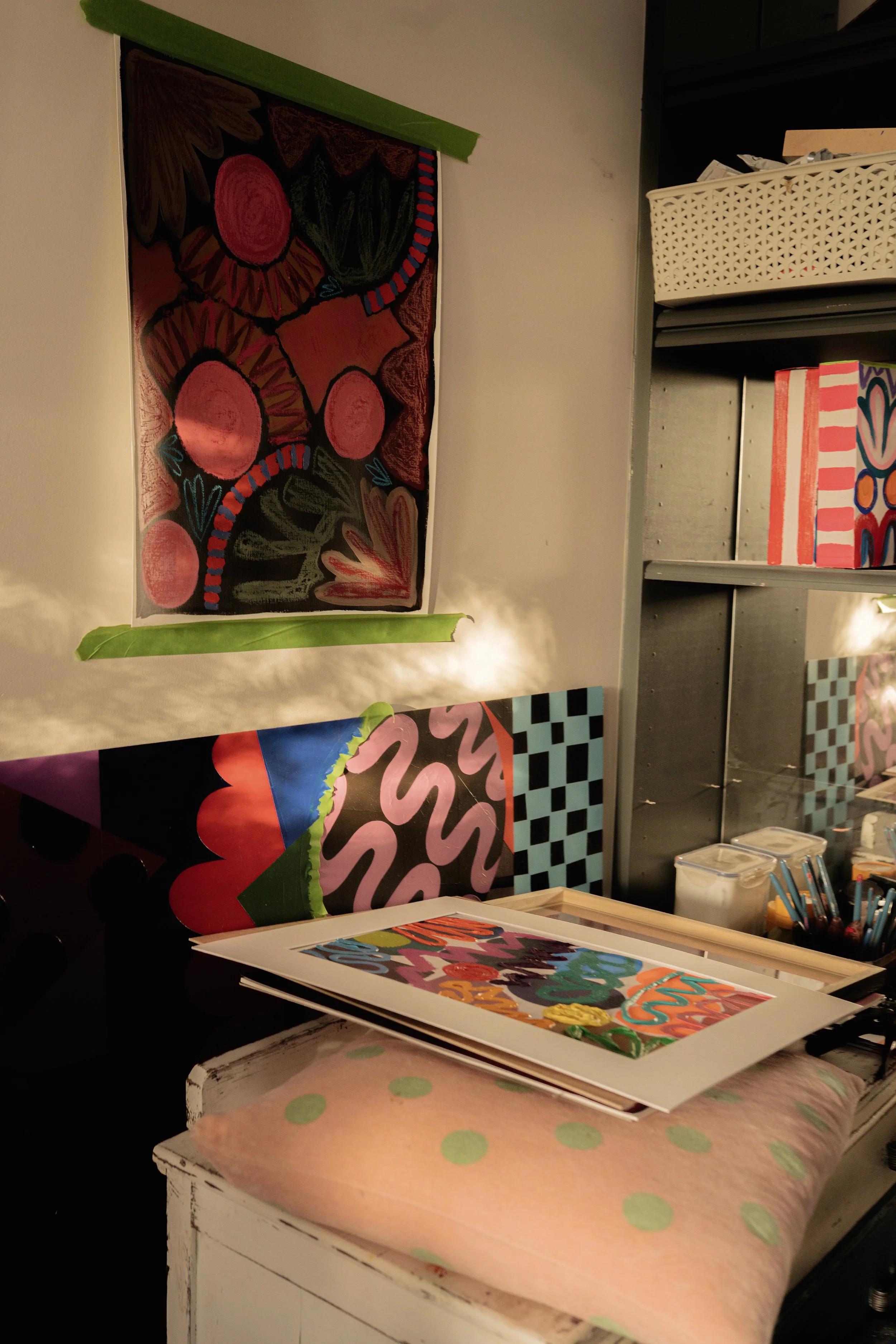
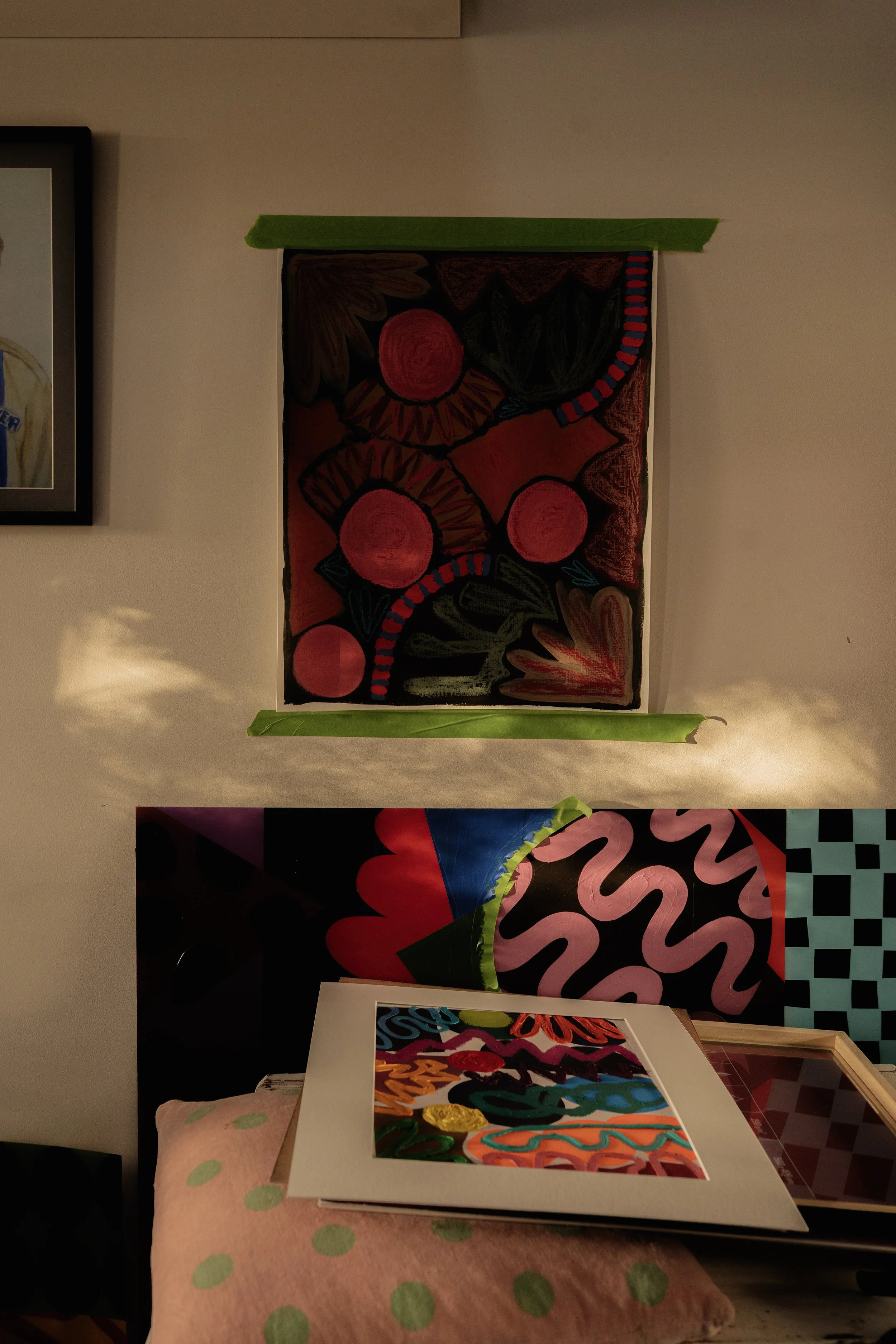
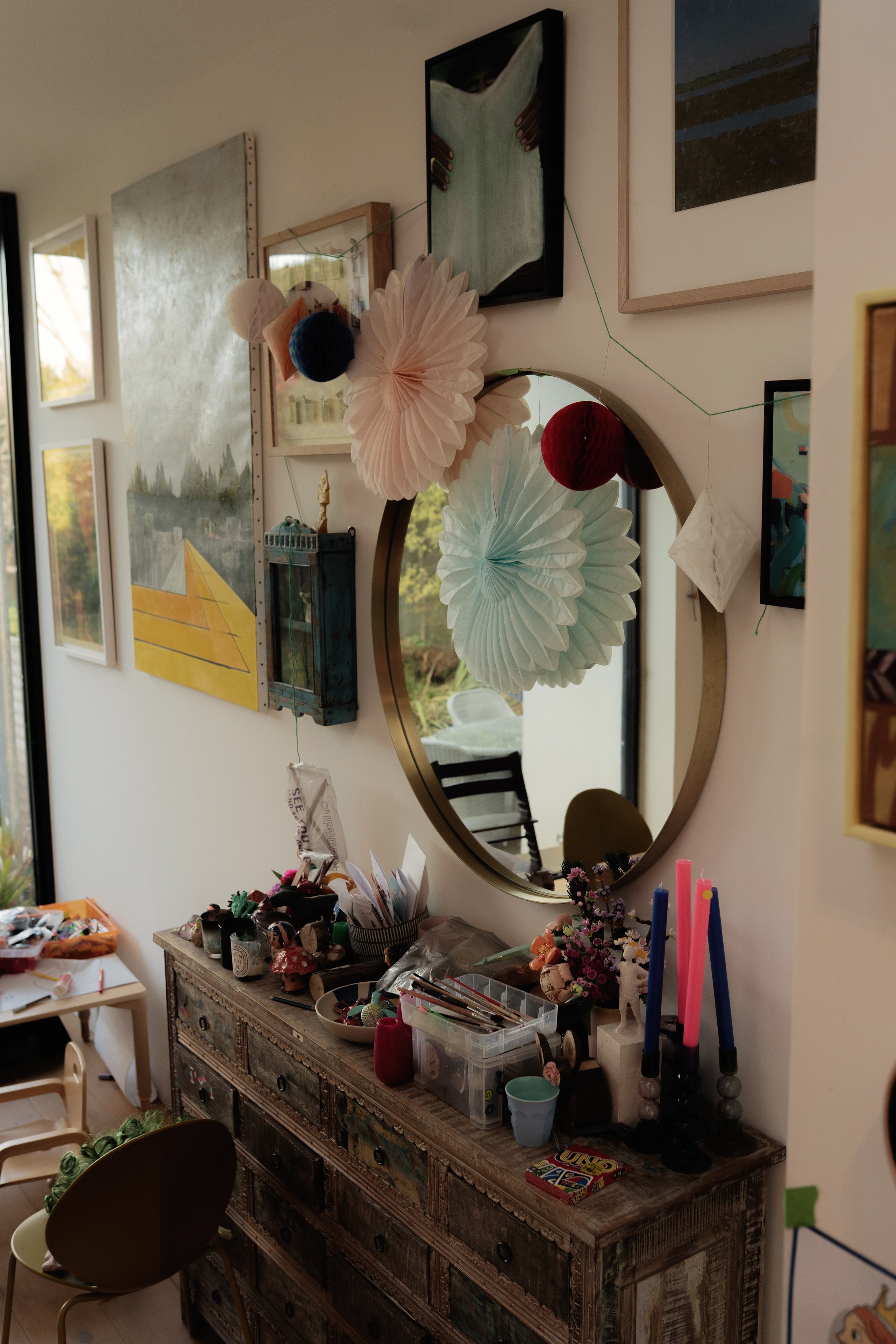
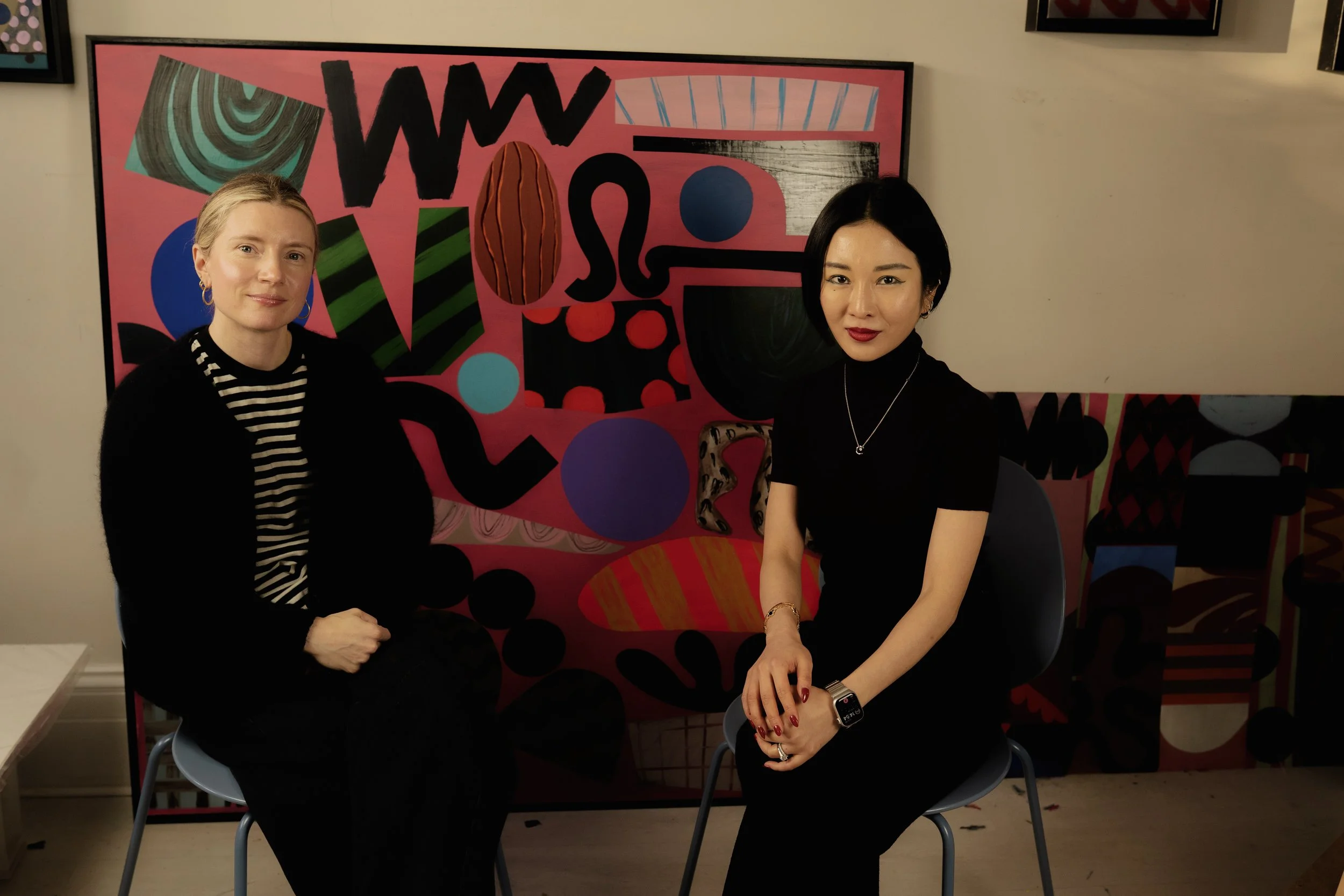
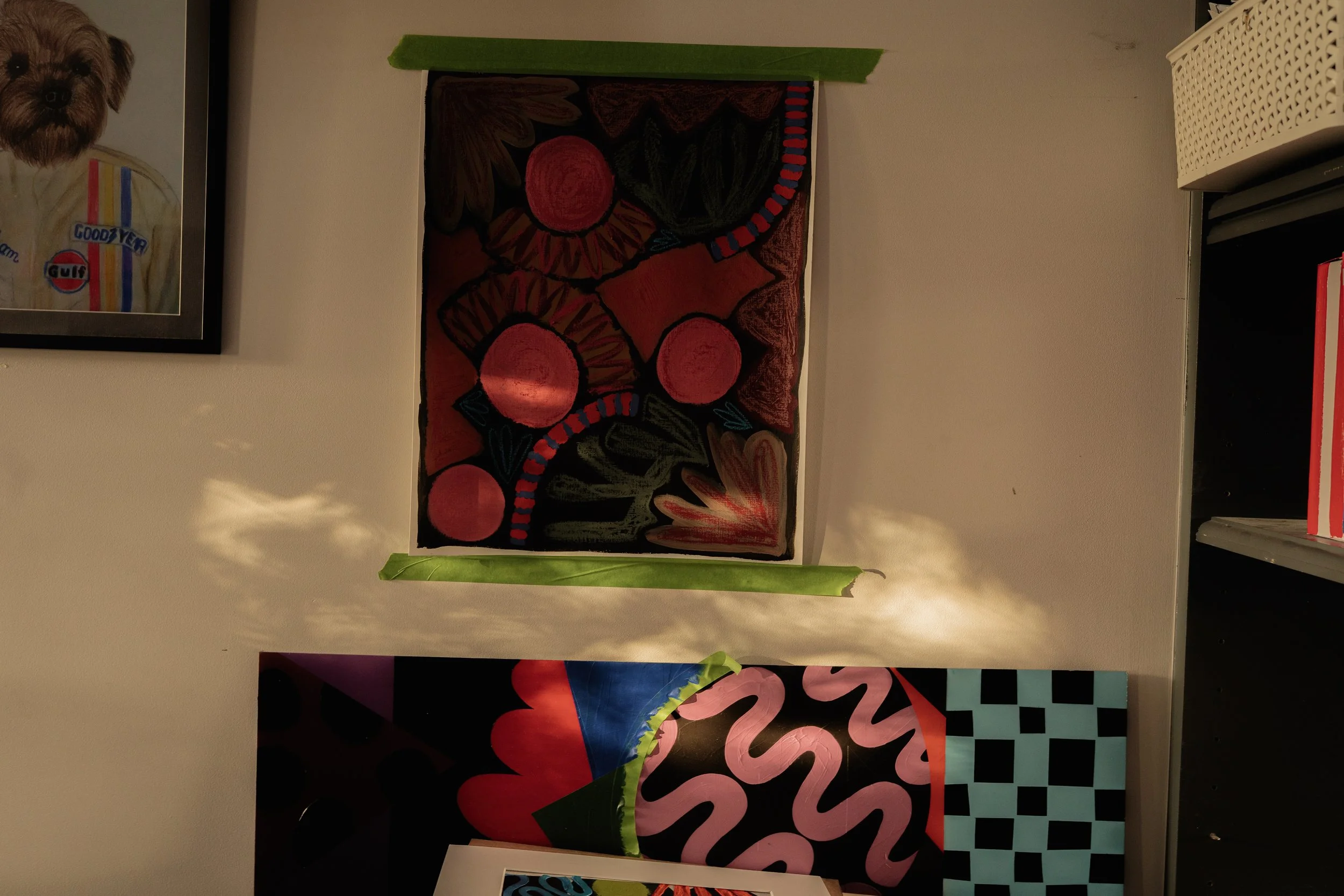
On Sunday morning, I took the train out to Teddington in West London to visit Emily's home and studio. She shares the space with her husband and two children, and the house itself feels like an extension of her practice. Light floods through the windows, illuminating bursts of colour everywhere: children's drawings pinned to walls, art books stacked on surfaces, textures and shapes claiming every available corner. The family is preparing for a months long stay in Bali, boxes half packed, but the house still pulses with the particular energy of a household built around making things.
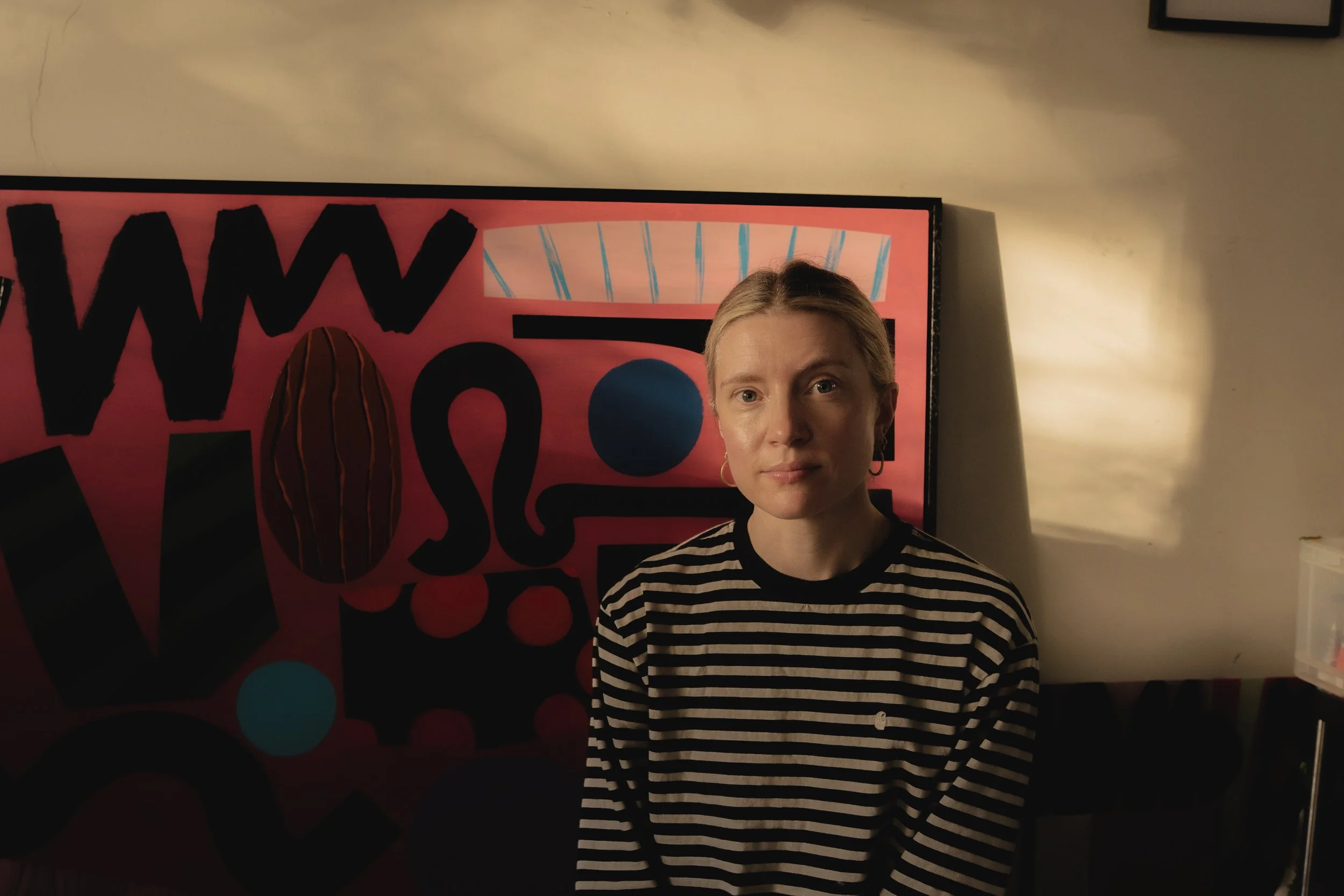
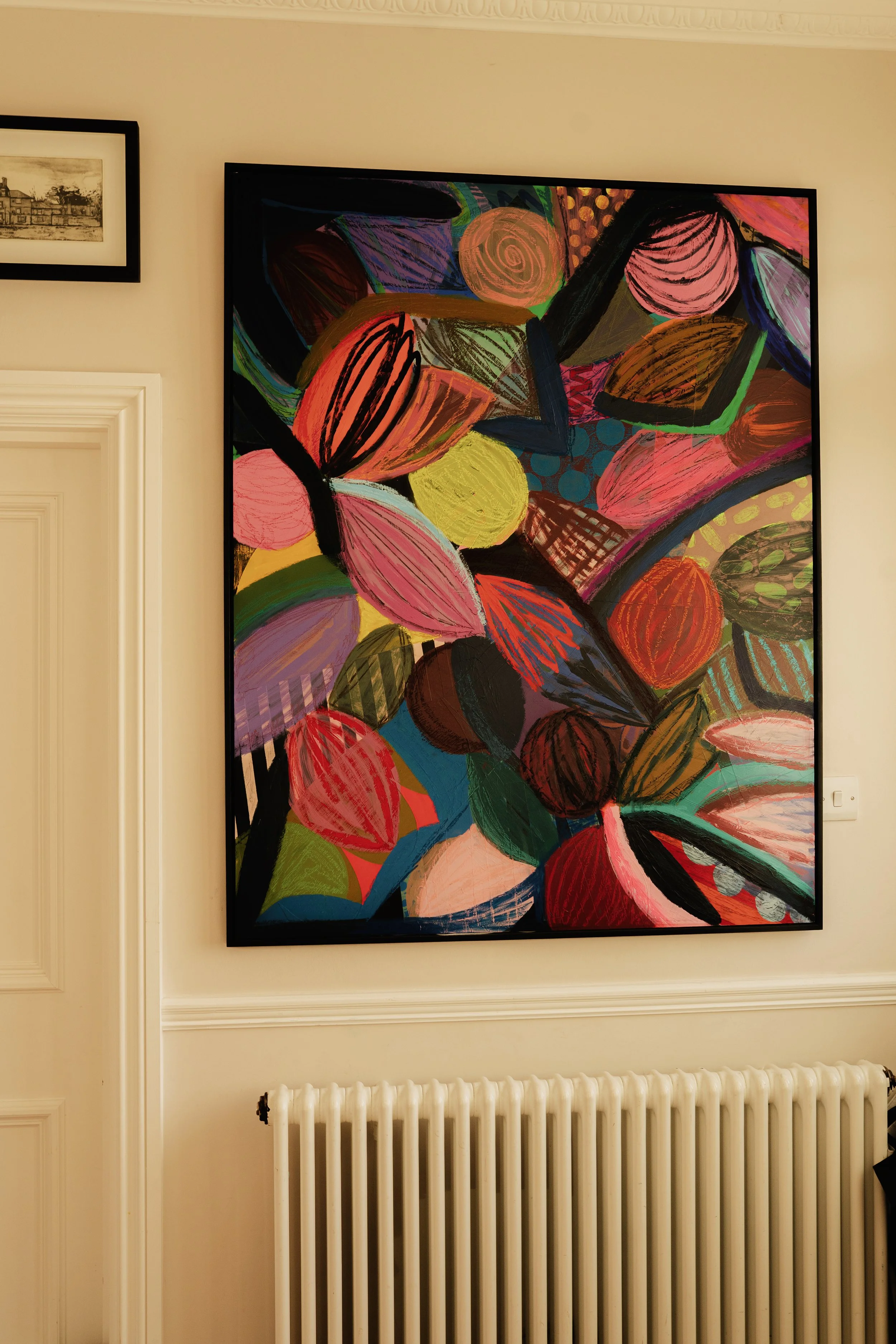
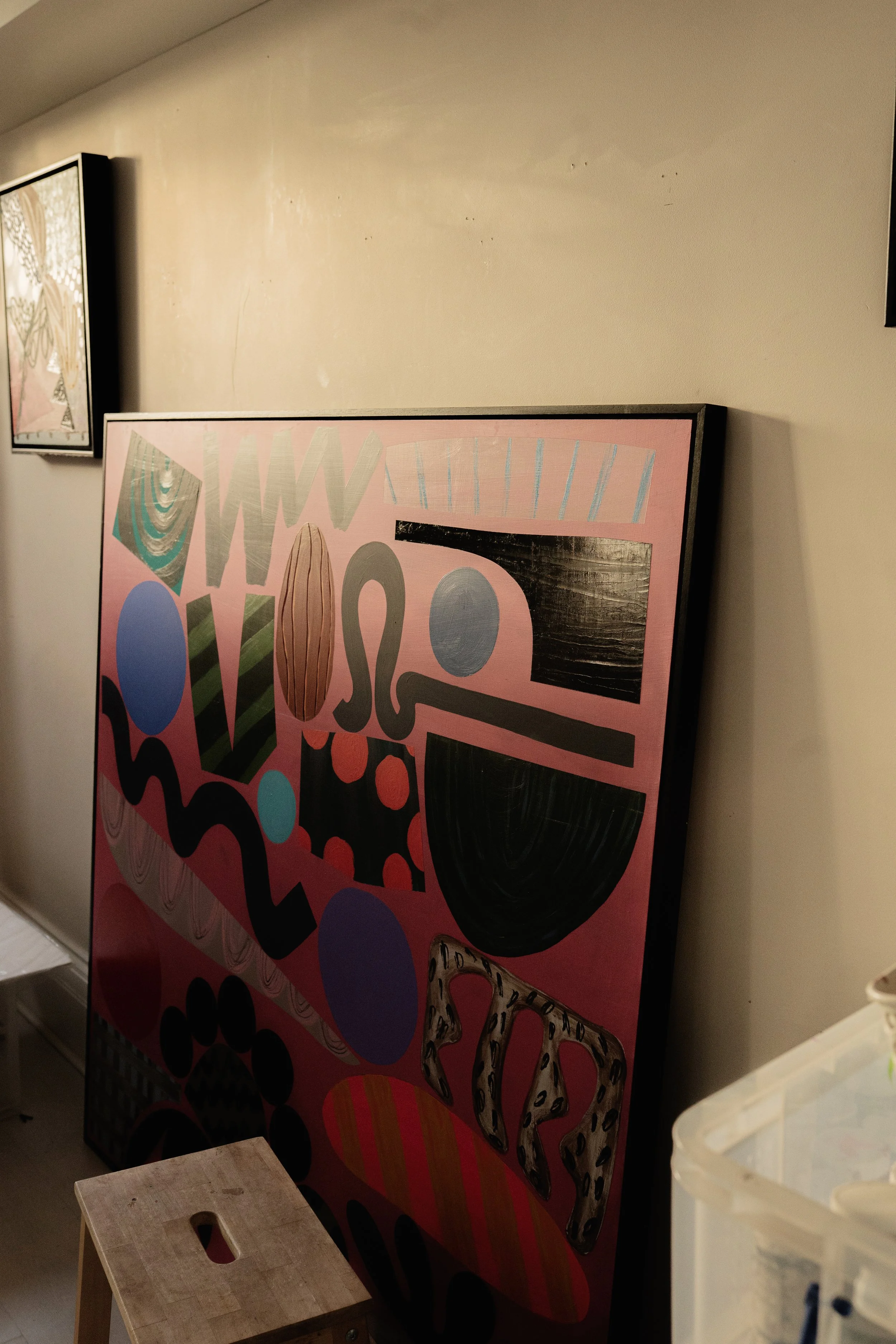
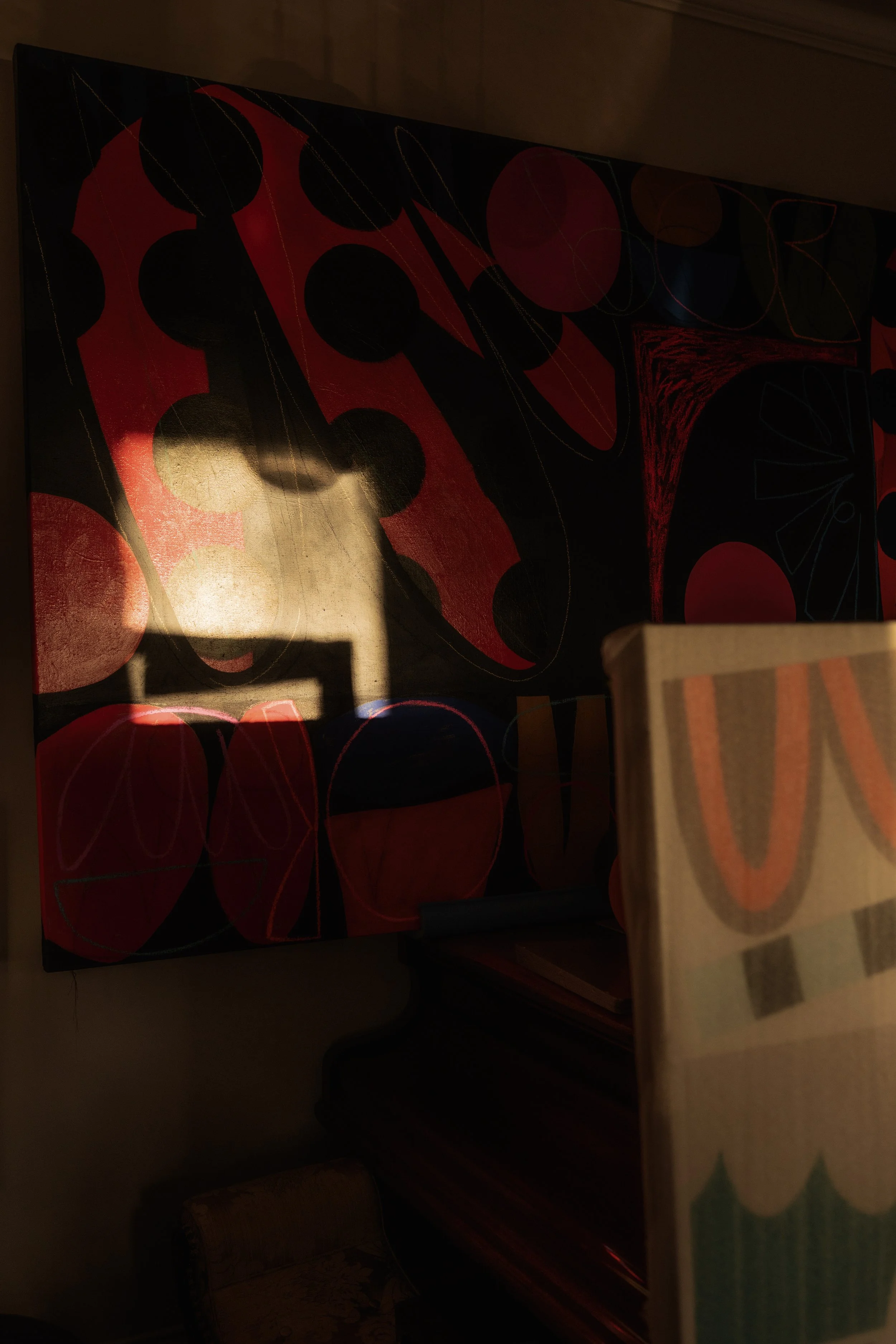
Emily's studio occupies a corner of the home, and walking in, I was immediately struck by the scale and emotional intensity of her work. A large abstract painting commanded one wall: bold, luminous, already spoken for by its next collector. Before painting became her life, Emily worked as a makeup artist. Eventually, though, she felt something pulling at her she couldn't ignore anymore: a need to work on canvas, to commit fully to a different kind of artistic language. Standing there in her studio, surrounded by her work, it's obvious she made the right call.
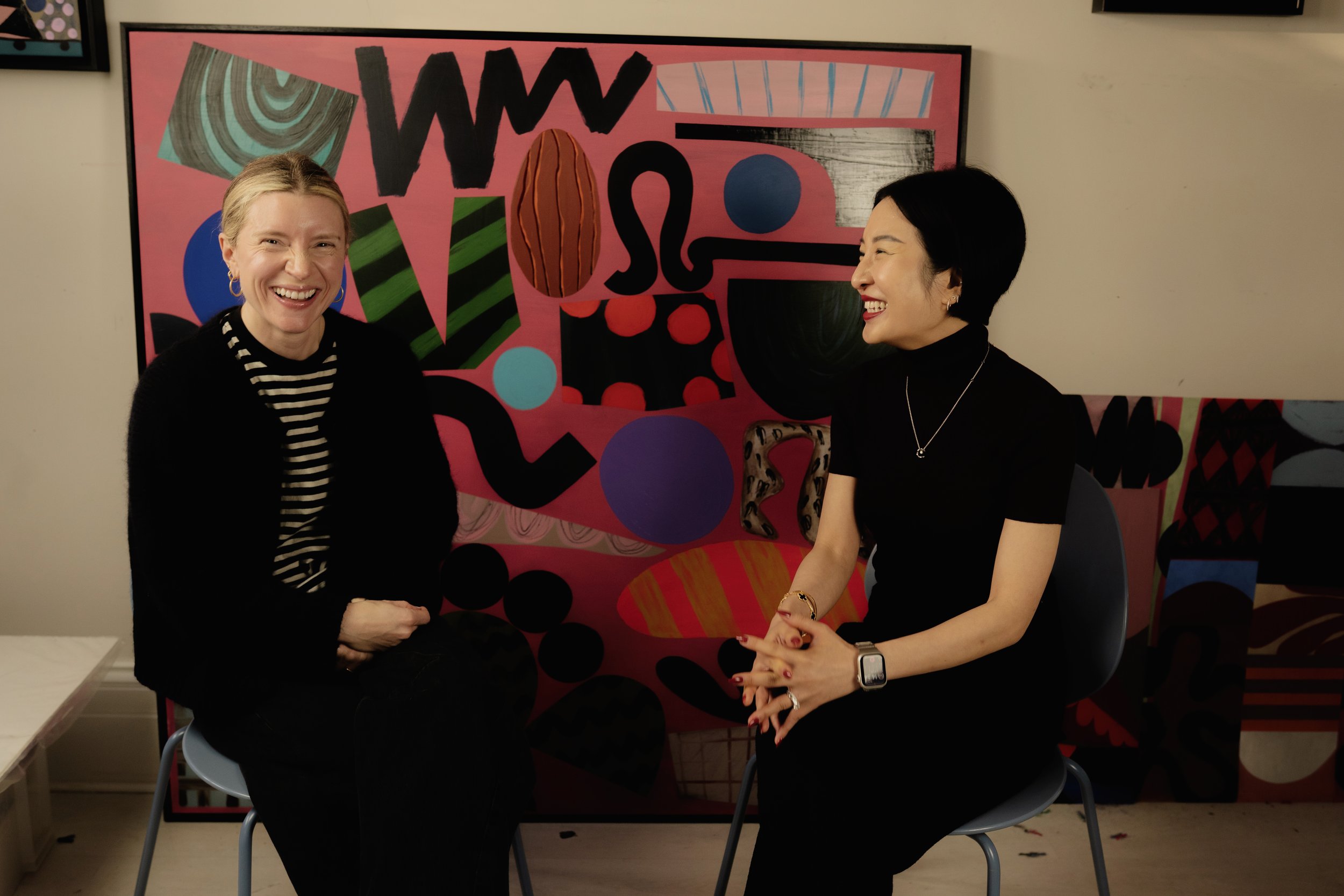
We talked for a while about where artists find themselves right now. AI can generate images in seconds. Synthetic aesthetics flood our feeds. The line between authentic and artificial grows thinner by the day. What came up wasn't fear of the technology itself, but something more specific: an observation we both shared. So much of what AI produces looks polished on the surface but carries no weight underneath. The image might be technically convincing, but something essential is absent. Human intention, emotional residue, the lived experience behind the work. No system can replicate those.
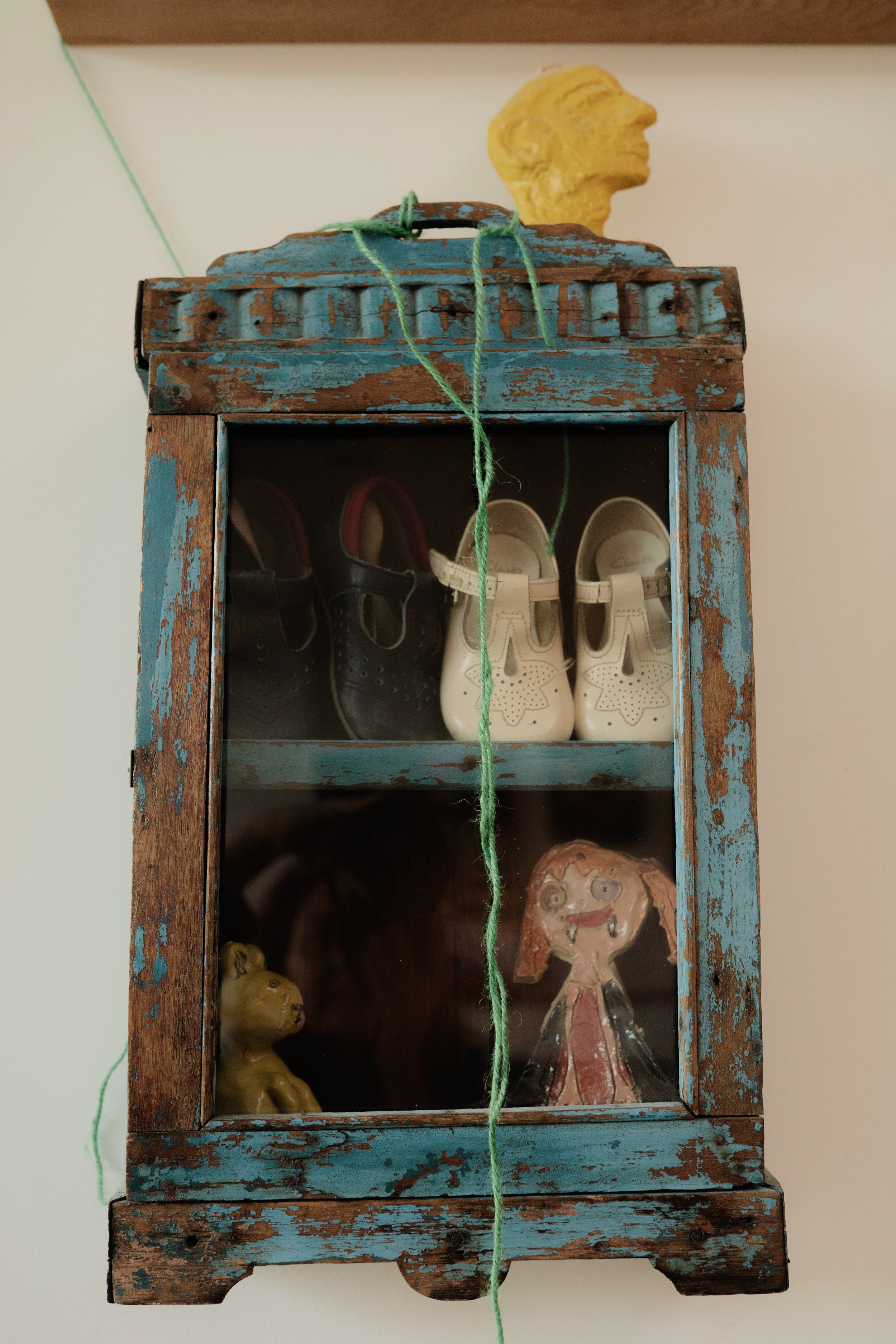
Emily's house, filled with her children's handmade creations, offered its own quiet argument against the digital acceleration happening beyond its walls. Figurines, drawings, small sculptures born from pure imagination. Everything spoke of a childhood rooted in tactile exploration rather than screens. She's protective of that space, determined to let her children imagine without interruption, to make things with their hands, to experience boredom as a gateway to creativity. Looking at what they've built, you can see how naturally artistic instinct develops when given room to breathe.
As we kept talking, a larger pattern emerged. We're living through an era defined by consumption and immediacy: constant stimulation, relentless pressure to produce without pause. AI accelerates that tempo even further. But the real strength of human creativity lies precisely in its capacity to resist that pace.
What separates human art isn't speed or technical perfection. It's the willingness to slow down, step back, choose meaning over momentum. It's the ability to reflect, to doubt, to feel, to let a work reveal itself gradually. These qualities form the foundation of any creative practice worth sustaining.
Our conversation kept circling back to the same intuition: despite AI's rapid ascent, deeply human work still matters. Maybe more than it did before. Art that carries genuine presence, intention, and emotional truth continues to stand apart. It speaks differently. It lingers differently. And it reminds us that creativity isn't just production. It's a way of moving through the world.
You can watch the full studio visit on our Instagram. This is the opening chapter of our SEEN Art & Tech series. More conversations are coming.